Avoiding Remote Work Burnout: 20 Strategies to Maintain a Healthy Work-Life Balance
Working online can be convenient and flexible, but it also comes with its own set of challenges, including the risk of burnout. Burnout can lead to physical, emotional, and mental exhaustion, causing decreased productivity, motivation, and overall well-being. In this tutorial, you will learn how to avoid burnout while working remotely, with 20 practical strategies to help you maintain a healthy work-life balance. From setting boundaries and prioritizing self-care to managing your time effectively and staying connected with colleagues and friends, we've got you covered.
Step 1: Set Clear Boundaries to Prevent Remote Work Burnout
To avoid burnout, it's essential to set clear boundaries between your work and personal life. This means creating a dedicated workspace that is only used for work, and establishing a routine that includes regular working hours, breaks, and time off. For example, you can set your working hours from 9 am to 5 pm, with a 30-minute break for lunch and two 15-minute breaks throughout the day. 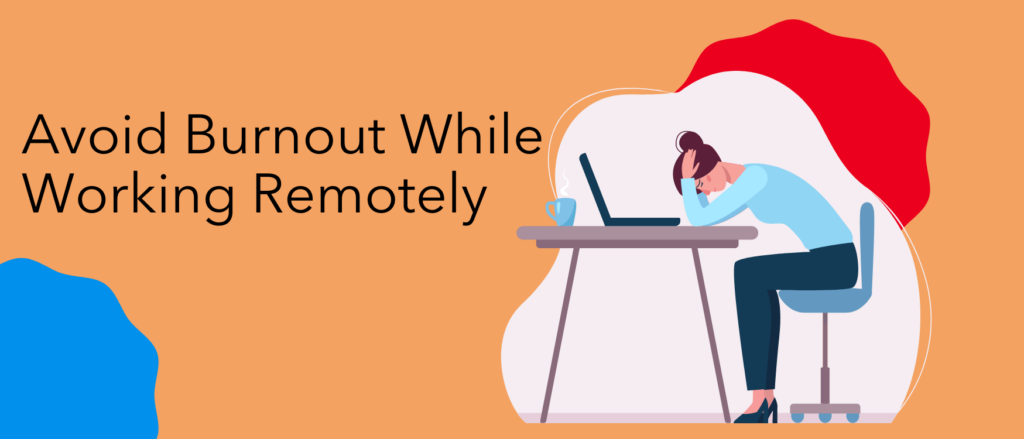
Step 2: Prioritize Self-Care to Avoid Burnout While Working Remotely
Taking care of your physical, emotional, and mental health is crucial to preventing burnout. This includes exercise, meditation, and spending time with loved ones. For instance, you can start your day with a 30-minute yoga session, followed by a healthy breakfast, and then dedicate some time to reading or listening to music during your breaks. 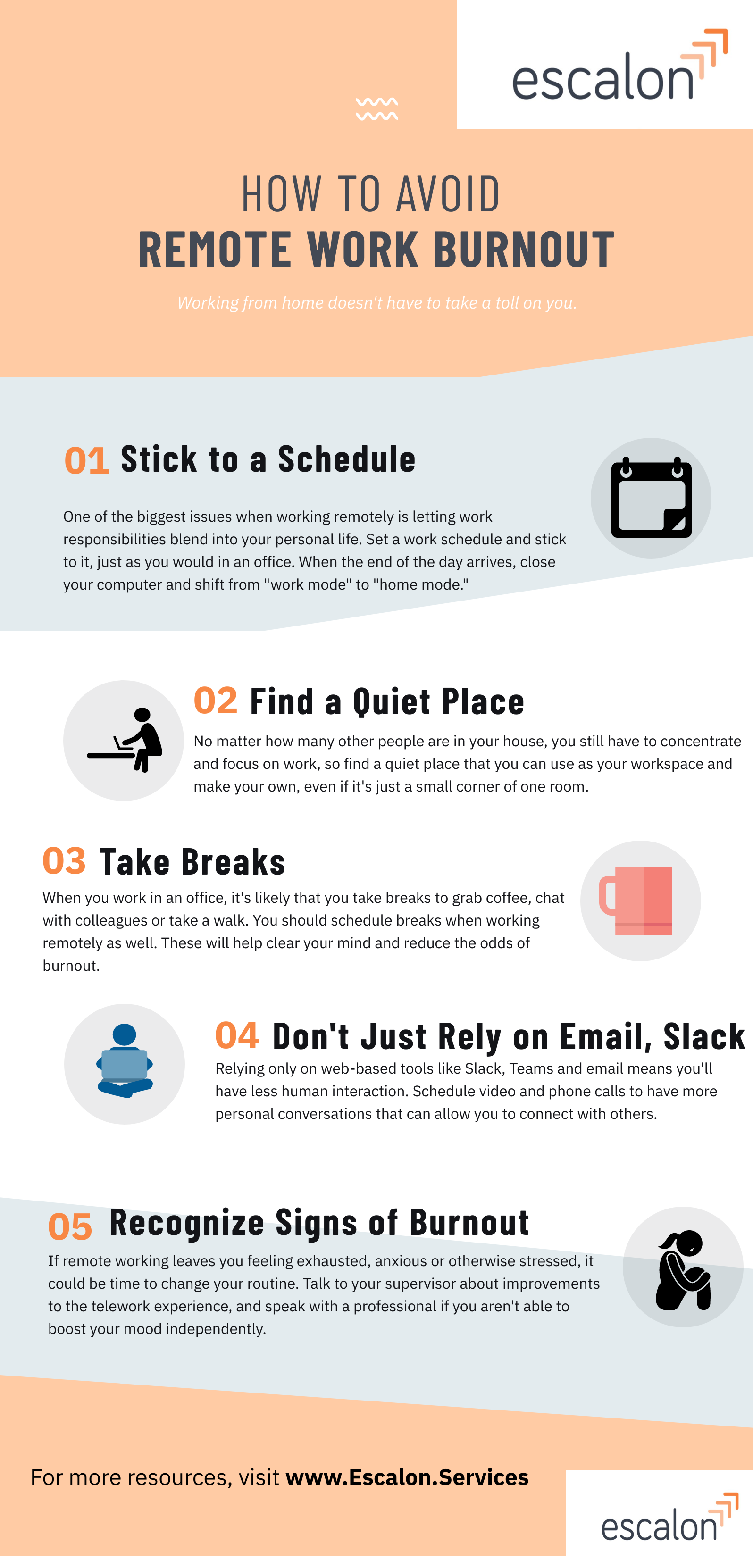
Step 3: Establish a Routine to Manage Remote Work Burnout
Having a routine can help you stay organized, focused, and productive, reducing the risk of burnout. This includes scheduling your tasks, setting deadlines, and using time-management tools to track your progress. For example, you can use the Pomodoro Technique, which involves working in 25-minute increments, followed by a 5-minute break.
Step 4: Stay Connected with Colleagues and Friends to Avoid Remote Work Burnout
Working remotely can be isolating, which can contribute to burnout. To avoid this, it's essential to stay connected with colleagues, friends, and family. This includes regular video calls, phone calls, or messaging apps to catch up and discuss work-related topics or personal interests. For instance, you can schedule a weekly call with your team to discuss ongoing projects, or join online communities related to your industry to network with like-minded professionals.
Step 5: Learn to Say No to Avoid Burnout While Working Remotely
Saying no to non-essential tasks or projects can help you avoid overcommitting and reduce the risk of burnout. This includes prioritizing your tasks, focusing on high-priority projects, and delegating tasks when possible. For example, you can use the Eisenhower Matrix to categorize your tasks into urgent vs. important, and focus on the most critical ones first.
Step 6: Take Breaks to Recharge and Avoid Remote Work Burnout
Taking breaks can help you recharge, reduce stress, and increase productivity. This includes taking short breaks throughout the day, as well as longer breaks, such as vacations or days off. For instance, you can take a 30-minute walk outside during your lunch break, or schedule a week-long vacation to relax and recharge.
Step 7: Set Realistic Goals to Avoid Burnout While Working Remotely
Setting realistic goals can help you avoid overcommitting and reduce the risk of burnout. This includes breaking down large projects into smaller, manageable tasks, and setting achievable deadlines. For example, you can use the SMART goal framework to set specific, measurable, achievable, relevant, and time-bound goals.
Step 8: Practice Time Management to Avoid Remote Work Burnout
Effective time management can help you prioritize your tasks, avoid procrastination, and reduce the risk of burnout. This includes using time-management tools, such as calendars, to-do lists, or project management software. For instance, you can use the Getting Things Done (GTD) method to organize your tasks and projects.
Step 9: Seek Support to Avoid Burnout While Working Remotely
Seeking support from colleagues, friends, or family can help you cope with stress, anxiety, or overwhelm, reducing the risk of burnout. This includes talking to a therapist, joining a support group, or seeking guidance from a mentor. For example, you can schedule regular check-ins with a therapist to discuss your mental health, or join online communities to connect with others who may be experiencing similar challenges.
Step 10: Stay Organized to Avoid Remote Work Burnout
Staying organized can help you prioritize your tasks, avoid procrastination, and reduce the risk of burnout. This includes using tools, such as to-do lists, calendars, or project management software, to track your progress and stay on top of your work. For instance, you can use the Kanban method to visualize your workflow and track your progress.
Step 11: Prioritize Sleep to Avoid Burnout While Working Remotely
Getting enough sleep is essential to physical, emotional, and mental health, and can help reduce the risk of burnout. This includes establishing a consistent sleep schedule, creating a relaxing bedtime routine, and avoiding screens before bedtime. For example, you can establish a bedtime routine that includes reading, meditation, or deep breathing exercises.
Step 12: Stay Hydrated to Avoid Remote Work Burnout
Staying hydrated can help you stay focused, energized, and productive, reducing the risk of burnout. This includes drinking plenty of water throughout the day, avoiding sugary or caffeinated drinks, and eating hydrating foods, such as fruits and vegetables. For instance, you can keep a water bottle at your desk and aim to drink at least 8 cups of water per day.
Step 13: Take Care of Your Physical Health to Avoid Burnout While Working Remotely
Taking care of your physical health can help you reduce the risk of burnout, improve your mood, and increase your energy levels. This includes exercising regularly, eating a balanced diet, and avoiding unhealthy habits, such as smoking or excessive drinking. For example, you can schedule a daily walk or jog, or join a fitness class to stay active and engaged.
Step 14: Learn to Manage Stress to Avoid Remote Work Burnout
Learning to manage stress can help you reduce the risk of burnout, improve your mood, and increase your productivity. This includes practicing relaxation techniques, such as deep breathing, meditation, or yoga, and seeking support from colleagues, friends, or family. For instance, you can schedule a daily meditation session, or join a yoga class to reduce stress and improve your overall well-being.
Step 15: Set Boundaries with Technology to Avoid Burnout While Working Remotely
Setting boundaries with technology can help you avoid the temptation to work excessively, reduce the risk of burnout, and improve your work-life balance. This includes setting boundaries around your work hours, avoiding work-related activities during your personal time, and taking breaks from technology. For example, you can set an auto-response on your email or messaging apps, indicating that you are unavailable during certain hours.
Step 16: Prioritize Self-Compassion to Avoid Remote Work Burnout
Practicing self-compassion can help you reduce the risk of burnout, improve your mood, and increase your resilience. This includes treating yourself with kindness, understanding, and patience, and avoiding self-criticism or perfectionism. For instance, you can practice self-compassion by writing yourself a kind letter, or engaging in activities that bring you joy and relaxation.
Step 17: Seek Feedback to Avoid Burnout While Working Remotely
Seeking feedback from colleagues, friends, or family can help you identify areas for improvement, reduce the risk of burnout, and increase your job satisfaction. This includes asking for constructive feedback, being open to criticism, and using feedback to make positive changes. For example, you can schedule regular check-ins with your manager or colleagues to discuss your progress and receive feedback.
Step 18: Stay Positive to Avoid Remote Work Burnout
Maintaining a positive attitude can help you reduce the risk of burnout, improve your mood, and increase your resilience. This includes practicing gratitude, focusing on the positive aspects of your job, and avoiding negative self-talk. For instance, you can keep a gratitude journal, or share your appreciation with colleagues or friends.
Step 19: Learn to Delegate to Avoid Burnout While Working Remotely
Learning to delegate can help you reduce your workload, avoid overcommitting, and reduce the risk of burnout. This includes identifying tasks that can be delegated, communicating effectively with team members, and providing clear instructions and feedback. For example, you can use project management software to assign tasks to team members, or schedule regular meetings to discuss progress and provide feedback.
Step 20: Take Care of Your Mental Health to Avoid Remote Work Burnout
Taking care of your mental health can help you reduce the risk of burnout, improve your mood, and increase your resilience. This includes seeking professional help when needed, practicing self-care, and engaging in activities that bring you joy and relaxation. For instance, you can schedule regular therapy sessions, or engage in hobbies, such as painting, writing, or playing music.
By following these 20 steps, you can reduce the risk of burnout, improve your work-life balance, and increase your overall well-being. Remember to prioritize self-care, set boundaries, and seek support when needed.
Frequently Asked Questions
Q: What are the signs of burnout?
A: The signs of burnout include physical, emotional, and mental exhaustion, decreased productivity, and a lack of motivation.
Q: How can I prevent burnout while working remotely?
A: You can prevent burnout by setting clear boundaries, prioritizing self-care, staying connected with colleagues and friends, and seeking support when needed.
Q: What are some effective time management strategies to avoid burnout?
A: Effective time management strategies include using time-management tools, prioritizing tasks, and taking regular breaks to avoid overcommitting and reduce the risk of burnout.
Infographic: How To Avoid Remote Work Burnout - Escalon

Infographic: How to Avoid Remote Work Burnout - Escalon
Remote Work Burnout: Key Signs And Practical Solutions
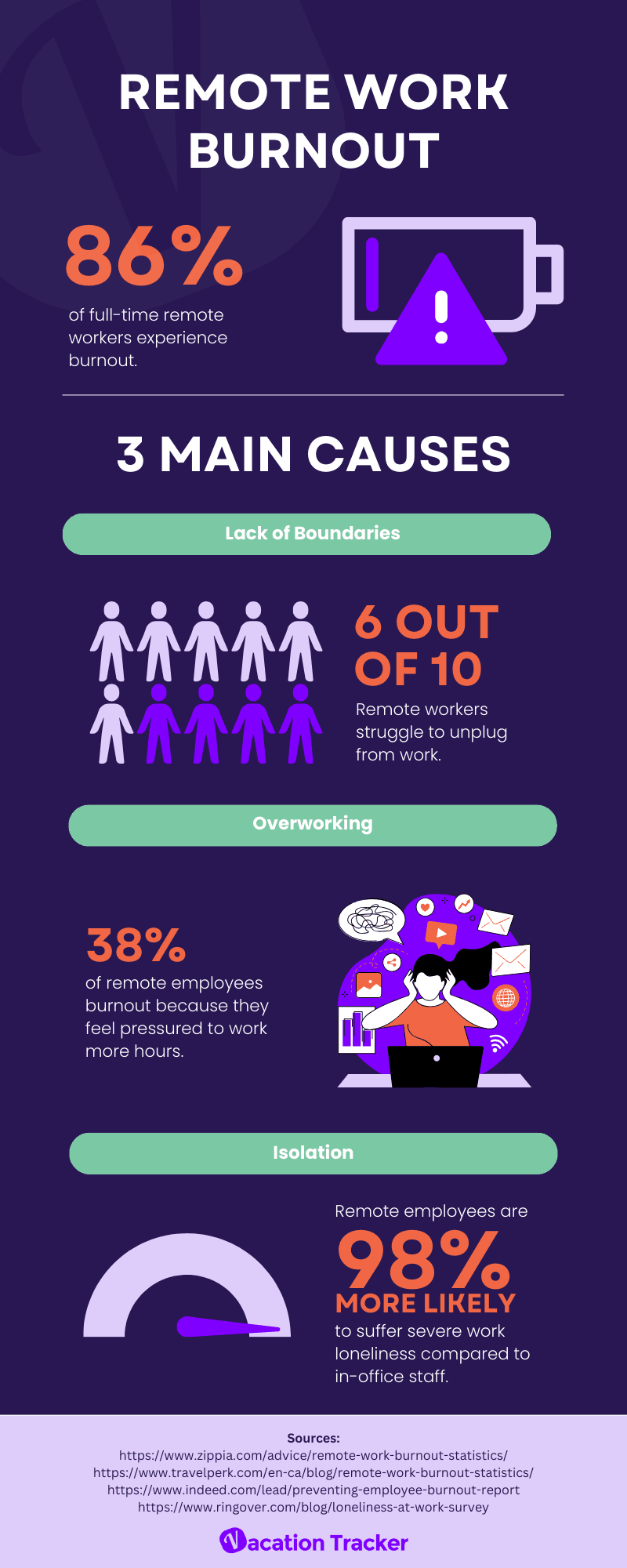
Remote Work Burnout: Key Signs and Practical Solutions
How To Prevent Burnout: What It Is And How To Deal With Burnout

How to Prevent Burnout: What It Is and How to Deal With Burnout
Work From Home Burnout - Signs & Ways To Resolve It
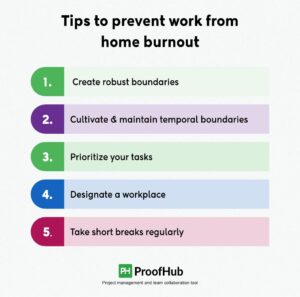
Work From Home Burnout - Signs & Ways to Resolve It