Finding Easy-Ranking Blog Topics: A Beginner's Guide to SEO Success
Discovering the right blog topics can make all the difference in improving your website's search engine optimization (SEO) and driving more traffic to your site. In this tutorial, you will learn how to find blog topics that rank easily, increasing your online visibility and reaching a wider audience. By following these simple steps, you'll be able to identify trending topics, create engaging content, and boost your SEO rankings. So, let's dive in and explore the world of easy-ranking blog topics.
Step 1: Conduct Keyword Research to Find Relevant Blog Topics
To find blog topics that rank easily, you need to start with keyword research. This involves identifying the words and phrases your target audience uses to search for content related to your niche. You can use tools like Google Keyword Planner, Ahrefs, or SEMrush to find relevant keywords and phrases. For example, if you're a fashion blogger, you might use keywords like "summer fashion trends" or "winter clothing essentials." Remember to choose keywords with low competition and high search volume to increase your chances of ranking easily. 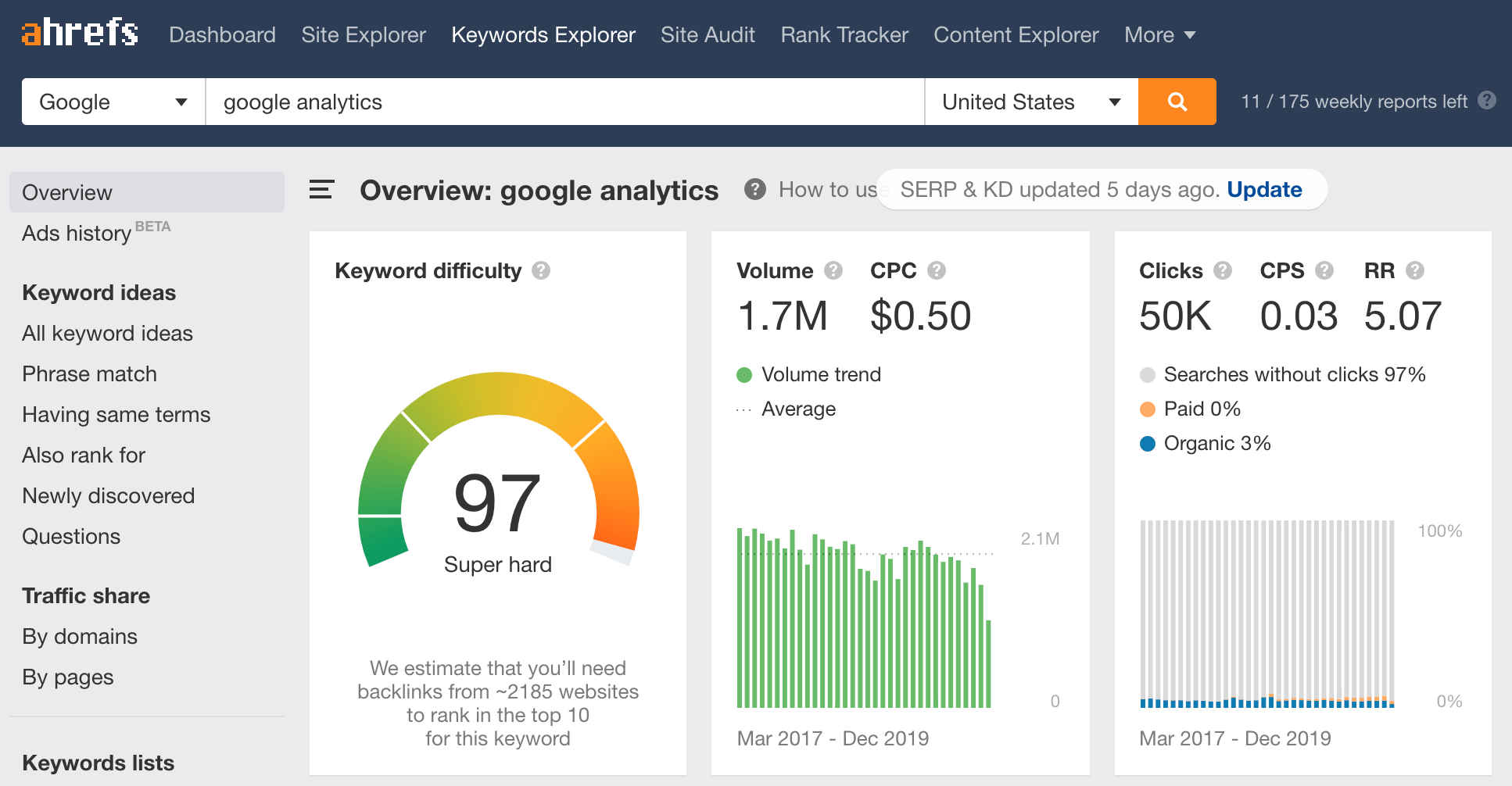
Step 2: Analyze Your Competition to Find Blog Topics with Low Competition
Once you have a list of potential keywords, it's time to analyze your competition. Use tools like Ahrefs or Moz to research your competitors' websites and identify gaps in their content. Look for keywords with low competition and high search volume, as these will be easier to rank for. You can also use tools like Google Trends to see what's currently trending and find inspiration for your blog topics. For instance, if you're a health and wellness blogger, you might find that topics like "plant-based diets" or "mental health awareness" are currently trending. 
Step 3: Use Online Tools to Find Blog Topics that Are Currently Trending
There are many online tools available that can help you find blog topics that are currently trending. Google Trends, for example, allows you to see what's currently popular and trending. You can also use social media platforms like Twitter or Facebook to see what's being shared and discussed. Another great tool is AnswerThePublic, which provides you with a list of questions related to your keyword. This can help you create content that answers your audience's questions and provides value. For example, if you're a travel blogger, you might use AnswerThePublic to find questions like "what to pack for a beach vacation" or "best destinations for solo travelers."
Step 4: Brainstorm and Refine Your Blog Topics to Ensure Relevance
Now that you have a list of potential keywords and topics, it's time to brainstorm and refine your ideas. Ask yourself questions like "what's my target audience interested in?" or "what problems can I solve for my readers?" Use mind mapping or brainstorming techniques to generate new ideas and refine your topics. Make sure your topics are relevant to your niche and provide value to your audience. You can also use tools like Hubspot's Blog Topic Generator to get inspiration for your blog topics. For instance, if you're a food blogger, you might brainstorm topics like "healthy meal prep ideas" or "easy recipes for beginners."
Step 5: Optimize Your Blog Topics for SEO to Improve Rankings
Finally, it's time to optimize your blog topics for SEO. This involves using your target keywords strategically throughout your content, including in your title, meta description, and headings. Make sure your content is high-quality, engaging, and provides value to your audience. Use header tags, bullet points, and short paragraphs to make your content easy to read and understand. You can also use tools like Yoast SEO or All in One SEO Pack to help you optimize your content for SEO. For example, if you're writing a blog post about "summer fashion trends," you might use keywords like "summer fashion" or "fashion trends" throughout your content. 
Frequently Asked Questions
Q: How do I know if my blog topic is easy to rank for?
A: You can use tools like Ahrefs or SEMrush to analyze your competition and identify gaps in their content. Choose keywords with low competition and high search volume to increase your chances of ranking easily.
Q: What's the best way to conduct keyword research?
A: Use tools like Google Keyword Planner, Ahrefs, or SEMrush to find relevant keywords and phrases. Choose keywords with low competition and high search volume to increase your chances of ranking easily.
Q: How often should I post new content to improve my SEO rankings?
A: The frequency of posting new content depends on your audience and niche. Generally, it's recommended to post at least once a week to keep your audience engaged and attract return visitors.
Guidelines And Tips To Choose Blog Topics

Guidelines And Tips To Choose Blog Topics
9 Secret Ways To Find Trending Topics For Blog

9 Secret Ways To Find Trending Topics For Blog
9 Awesome Methods To Find Blog Topics To Write About

9 Awesome Methods to Find Blog Topics to Write About