Boost Conversions with Lightning-Fast Pages: How to Improve Website Loading Speed
Are you tired of watching your website's visitors bounce away due to slow loading speeds? Improving your website's loading speed is crucial for enhancing user experience, increasing conversions, and boosting search engine rankings. In this step-by-step tutorial, you'll learn how to improve website loading speed easily and efficiently. By the end of this guide, you'll have the knowledge and tools to optimize your website's performance and provide a seamless experience for your visitors. So, let's dive in and explore the simple yet effective ways to improve website loading speed and take your online presence to the next level.
Step 1: Optimize Images to Improve Website Loading Speed
Images are a vital part of any website, but they can significantly slow down your website's loading speed if not optimized properly. To improve website loading speed, you need to compress your images without compromising their quality. You can use tools like TinyPNG or ImageOptim to reduce the file size of your images. For example, if you have an image with a file size of 1MB, compressing it can reduce the size to around 300KB, resulting in a faster loading speed. You can also use image formats like WebP, which offers better compression than traditional formats like JPEG and PNG. 
Step 2: Minify and Combine Code to Improve Website Loading Speed
Minifying and combining code is another effective way to improve website loading speed. When you minify code, you remove unnecessary characters, such as whitespace, comments, and line breaks, which reduces the file size. Combining code involves merging multiple files into a single file, reducing the number of HTTP requests made by the browser. You can use tools like Gzip or Brotli to minify your code, and plugins like Autoptimize or WP Rocket to combine your files. For instance, if you have 10 JavaScript files, combining them into a single file can reduce the number of HTTP requests from 10 to 1, resulting in a significant improvement in website loading speed.
Step 3: Leverage Browser Caching to Improve Website Loading Speed
Browser caching allows you to store frequently-used resources, such as images, stylesheets, and scripts, in the visitor's browser. This way, when the visitor returns to your website, the browser can load the resources from the cache instead of making a new request to the server. To leverage browser caching, you need to set the cache expiration date for each resource. You can use the Cache-Control header to specify the duration for which the resource should be cached. For example, if you set the cache expiration date to 1 year, the browser will store the resource for 1 year, reducing the number of requests made to the server and improving website loading speed. 
Step 4: Enable Keep-Alive to Improve Website Loading Speed
Keep-Alive, also known as persistent connections, allows the browser to reuse an existing connection to the server instead of creating a new one for each request. This reduces the overhead of establishing a new connection, resulting in faster website loading speeds. To enable Keep-Alive, you need to configure your server to use HTTP/1.1 or HTTP/2, which support persistent connections. You can also use plugins like WP Rocket or W3 Total Cache to enable Keep-Alive on your website. For instance, if you have a website with 10 resources, enabling Keep-Alive can reduce the number of connections from 10 to 1, resulting in a significant improvement in website loading speed.
Step 5: Use a Content Delivery Network (CDN) to Improve Website Loading Speed
A Content Delivery Network (CDN) is a network of servers distributed across different geographic locations. By using a CDN, you can reduce the distance between your website's visitors and your server, resulting in faster website loading speeds. A CDN works by caching your website's resources on multiple servers, so when a visitor requests a resource, it can be loaded from the nearest server. You can use CDN providers like Cloudflare or MaxCDN to improve website loading speed. For example, if you have a website hosted in the US, using a CDN with servers in Europe can reduce the loading speed for European visitors by up to 50%.
Step 6: Optimize Server Response Time to Improve Website Loading Speed
Server response time is the time it takes for your server to respond to a visitor's request. A slow server response time can significantly impact website loading speed. To optimize server response time, you need to ensure that your server is configured to handle a high volume of requests efficiently. You can use tools like GTmetrix or Pingdom to analyze your server response time and identify bottlenecks. For instance, if your server response time is 2 seconds, optimizing it to 500ms can improve website loading speed by up to 30%. You can also use plugins like WP Rocket or W3 Total Cache to optimize server response time by reducing the number of database queries and leveraging caching.
Frequently Asked Questions
Q: Why is website loading speed important? A: Website loading speed is crucial for enhancing user experience, increasing conversions, and boosting search engine rankings. A slow website can lead to high bounce rates, low engagement, and reduced sales. Q: How can I measure website loading speed? A: You can use tools like GTmetrix, Pingdom, or Google PageSpeed Insights to measure website loading speed. Q: What is the ideal website loading speed? A: The ideal website loading speed is under 3 seconds. However, the faster the better, and aim for a loading speed of under 1 second for optimal performance. Q: Can I improve website loading speed without technical expertise? A: Yes, you can improve website loading speed without technical expertise by using plugins like WP Rocket or W3 Total Cache, which offer user-friendly interfaces and automated optimization features.
Improve Website Loading Speed: How? - DigiSpot24
Improve Website Loading Speed: How? - DigiSpot24
How To Improve Your Website Loading Speeds Easily

How To Improve Your Website Loading Speeds Easily
How To Improve Your Website’s Loading Speed | Web.dznr
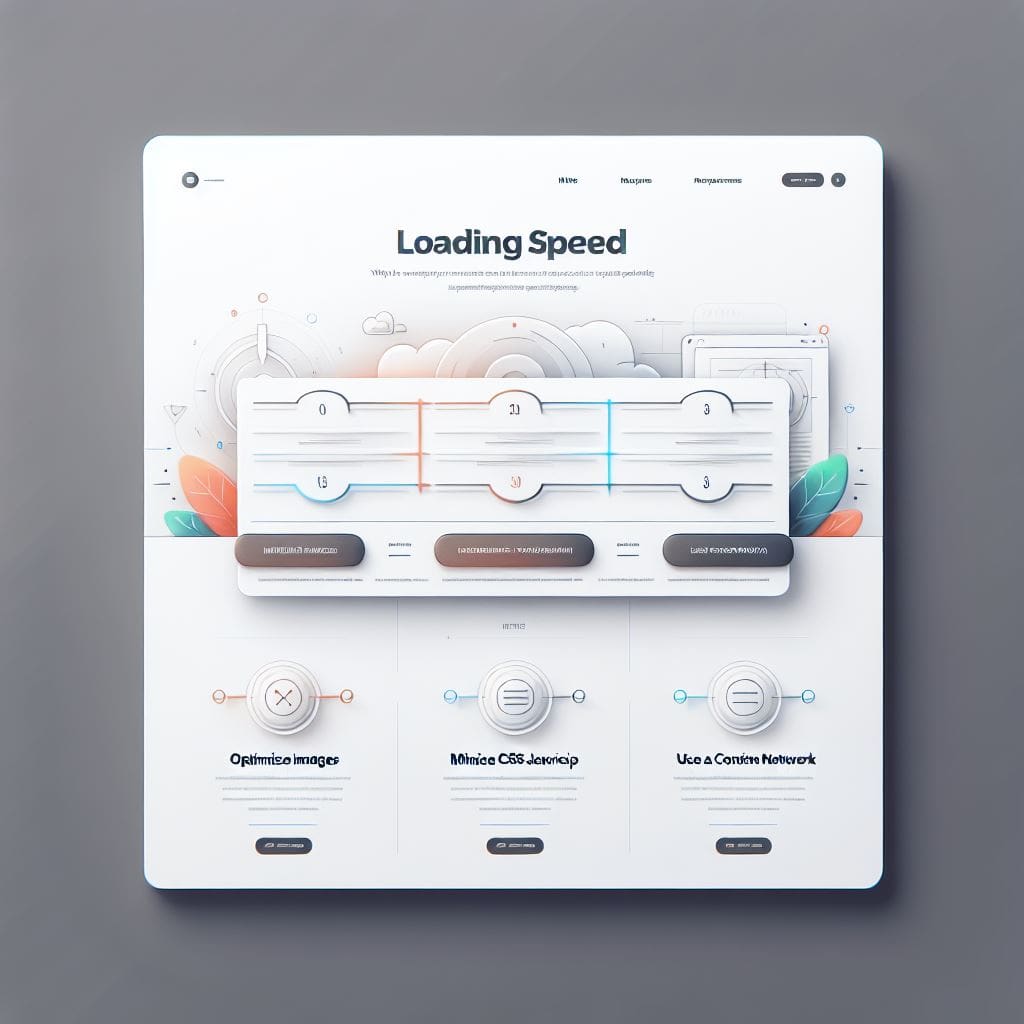
How to Improve Your Website’s Loading Speed | Web.dznr