Optimizing Blog Posts for Google Ranking: A Step-by-Step Guide to Boosting Your Online Presence
Are you struggling to get your blog posts noticed by Google? Do you want to increase your online visibility and drive more traffic to your website? In this article, you will learn how to optimize your blog posts for Google ranking, improving your chances of ranking higher in search engine results pages (SERPs). By following these simple and effective steps, you'll be able to take your blog to the next level and attract more readers.
Step 1: Conducting Keyword Research for Google Ranking Optimization
To optimize your blog posts for Google ranking, you need to start by conducting keyword research. This involves identifying the most relevant and high-traffic keywords related to your blog post topic. You can use tools like Google Keyword Planner, Ahrefs, or SEMrush to find the best keywords for your content. For example, if you're writing about "how to optimize blog posts for Google," you can use keywords like "Google ranking," "blog post optimization," and "search engine optimization" (SEO). 
Step 2: Writing High-Quality and Optimized Blog Post Content for Google Ranking
Once you have your keywords, it's time to write high-quality and optimized blog post content. This means creating content that is engaging, informative, and provides value to your readers. Use your target keywords throughout your content, but make sure to do so naturally and strategically. Aim for a keyword density of 1-2% to avoid keyword stuffing. For instance, if you're writing about "how to optimize blog posts for Google," you can use subheadings like "Understanding Google Ranking Factors" and "Tips for Optimizing Your Blog Posts for Google." 
Step 3: Optimizing Your Blog Post Title and Meta Description for Google Ranking
Your blog post title and meta description are crucial for Google ranking optimization. Your title should be attention-grabbing, descriptive, and include your target keywords. Your meta description should provide a brief summary of your blog post and entice readers to click through to your content. Keep your title under 60 characters and your meta description under 160 characters to ensure they display properly in SERPs. For example, if you're writing about "how to optimize blog posts for Google," your title could be "Optimize Your Blog Posts for Google Ranking: A Step-by-Step Guide" and your meta description could be "Learn how to optimize your blog posts for Google ranking and increase your online visibility with these simple and effective tips."
Step 4: Using Header Tags and Internal Linking for Google Ranking Optimization
Header tags (H1, H2, H3, etc.) help structure your content and improve readability. They also provide an opportunity to include your target keywords and help Google understand the hierarchy of your content. Use header tags to break up your content and highlight key points. Additionally, use internal linking to connect your blog posts and help Google understand your website's structure. This can also help to improve user experience and increase engagement. For instance, if you're writing about "how to optimize blog posts for Google," you can link to other relevant articles like "The Importance of Keyword Research for SEO" or "How to Write High-Quality and Engaging Blog Post Content."
Step 5: Optimizing Your Images for Google Ranking
Images can help to break up your content and improve user experience. However, they can also slow down your page load times if not optimized properly. Use descriptive alt tags and file names that include your target keywords to help Google understand the content of your images. Compress your images to reduce file size and improve page load times. This can also help to improve your website's overall user experience and increase engagement. For example, if you're writing about "how to optimize blog posts for Google," you can use an image with an alt tag like "Optimizing blog posts for Google ranking infographic" and a file name like "google-ranking-optimization-infographic.png."
Step 6: Building High-Quality Backlinks for Google Ranking Optimization
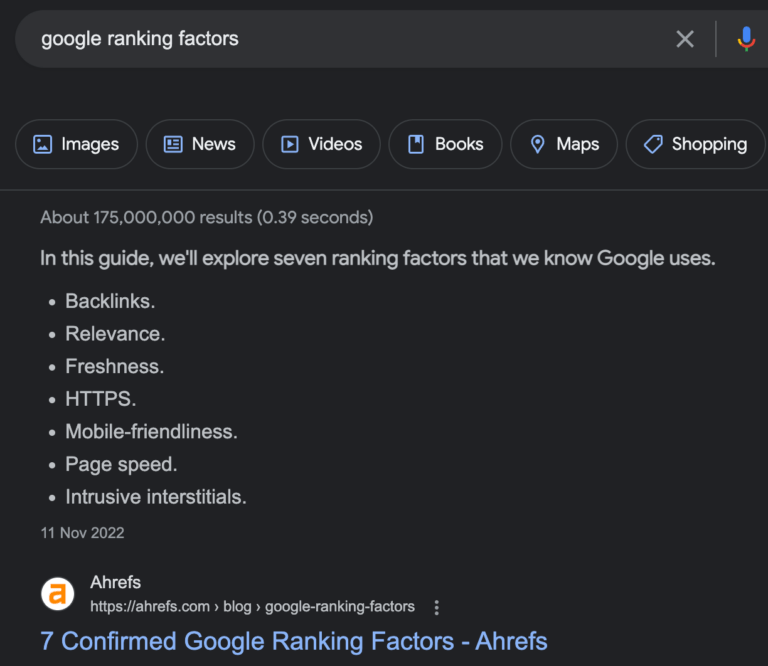
Backlinks are an important ranking factor for Google. They help to establish your website's authority and credibility, and can also drive referral traffic to your content. Focus on building high-quality backlinks from relevant and authoritative sources. This can be done through guest blogging, broken link building, or resource pages. For example, if you're writing about "how to optimize blog posts for Google," you can reach out to other bloggers or websites in your niche and offer to write a guest post in exchange for a backlink to your website.
Step 7: Monitoring and Analyzing Your Google Ranking Results
Finally, it's essential to monitor and analyze your Google ranking results to see how your optimization efforts are paying off. Use tools like Google Analytics or SEMrush to track your website's traffic, engagement, and keyword rankings. This will help you to identify areas for improvement and make data-driven decisions to optimize your blog posts further. For instance, if you notice that your blog post is ranking well for a particular keyword, you can create more content around that topic to increase your visibility and drive more traffic to your website.
Frequently Asked Questions (FAQs)
Here are some frequently asked questions about optimizing blog posts for Google ranking:
11 Easy-to-Follow Tips To Optimize Your Blog Posts For SEO
11 Easy-to-Follow Tips to Optimize Your Blog Posts for SEO
How To Optimize Blog Posts For SEO: A-to-Z Guide For Beginners!

How to Optimize Blog Posts for SEO: A-to-Z Guide for Beginners!
Mod 3: How To Write SEO Ranking Blog Posts |Optimizing Posts For

Mod 3: How To Write SEO Ranking Blog Posts |Optimizing Posts For ...