Launch a Successful Niche Website: A Beginner's Step-by-Step Guide to Creating a Profitable Online Presence
Starting a niche website can be a daunting task, especially for beginners. However, with the right guidance, you can create a profitable online presence that attracts a dedicated audience and generates significant revenue. In this tutorial, you will learn how to build a niche website from scratch, including choosing a profitable niche, setting up your website, creating high-quality content, and promoting your site to reach a wider audience. By following these steps, you will be well on your way to establishing a successful niche website that meets your goals and exceeds your expectations.
Step 1: Choose a Profitable Niche for Your Website
Choosing a profitable niche is the first and most crucial step in building a successful niche website. A profitable niche is one that has a large enough audience, relatively low competition, and opportunities for monetization. To find a profitable niche, you can use online tools such as Google Trends, Keyword Planner, or social media platforms to identify popular topics and trends. For example, if you are passionate about fitness, you could create a niche website focused on workout routines, nutrition plans, or fitness product reviews. 
Step 2: Register a Domain Name and Web Hosting for Your Niche Website
Once you have chosen a profitable niche, you need to register a domain name and web hosting for your website. Your domain name should be memorable, easy to spell, and relevant to your niche. You can register your domain name through a registrar such as GoDaddy or Namecheap. For web hosting, you can choose a reliable provider such as Bluehost, SiteGround, or HostGator. Make sure to select a hosting plan that meets your needs, including storage space, bandwidth, and customer support. 
Step 3: Install a Content Management System (CMS) for Your Niche Website
A Content Management System (CMS) is a platform that allows you to create, edit, and manage your website's content without requiring extensive technical knowledge. The most popular CMS for niche websites is WordPress, which is user-friendly, customizable, and SEO-friendly. You can install WordPress through your web hosting control panel or manually by uploading the files to your website. Once installed, you can choose a theme, install plugins, and start creating content for your website. For example, you can install a theme that is specifically designed for niche websites, such as the "Astra" theme, which is lightweight, customizable, and optimized for performance.
Step 4: Create High-Quality Content for Your Niche Website
Creating high-quality content is essential for attracting and engaging your target audience. Your content should be informative, entertaining, and relevant to your niche. You can create different types of content, including blog posts, articles, videos, podcasts, and infographics. Make sure to optimize your content with keywords, meta descriptions, and headings to improve your website's search engine ranking. For example, if your niche website is focused on fitness, you could create a blog post titled "10 Ways to Improve Your Workout Routine" that includes tips, examples, and images to illustrate your points. 
Step 5: Promote Your Niche Website to Reach a Wider Audience
Promoting your niche website is crucial for driving traffic, generating leads, and increasing sales. You can promote your website through social media platforms, email marketing, paid advertising, and search engine optimization (SEO). Make sure to create a social media presence on platforms such as Facebook, Twitter, and Instagram, and share your content regularly to engage with your audience. You can also use email marketing tools such as Mailchimp or ConvertKit to build an email list and send newsletters to your subscribers. For example, you could create a Facebook page for your niche website and share your latest blog posts, videos, or podcasts to attract new followers and drive traffic to your website.
Step 6: Monetize Your Niche Website with Affiliate Marketing, Advertising, and Sponsored Content
Monetizing your niche website is essential for generating revenue and sustaining your online presence. You can monetize your website through affiliate marketing, advertising, and sponsored content. Affiliate marketing involves promoting products or services from other companies and earning a commission on sales. You can join affiliate programs such as Amazon Associates, ClickBank, or Commission Junction to find products to promote. Advertising involves displaying ads on your website and earning revenue from clicks or impressions. You can use Google AdSense, Facebook Ads, or native advertising platforms such as Taboola or Outbrain to display ads on your website. Sponsored content involves partnering with brands to create content that promotes their products or services. 
Frequently Asked Questions (FAQs)
Q: What is a niche website? A: A niche website is a website that focuses on a specific topic or niche, such as fitness, finance, or travel. Q: How do I choose a profitable niche? A: You can choose a profitable niche by using online tools such as Google Trends, Keyword Planner, or social media platforms to identify popular topics and trends. Q: What is the best CMS for a niche website? A: The best CMS for a niche website is WordPress, which is user-friendly, customizable, and SEO-friendly. Q: How do I promote my niche website? A: You can promote your niche website through social media platforms, email marketing, paid advertising, and search engine optimization (SEO). Q: How do I monetize my niche website? A: You can monetize your niche website through affiliate marketing, advertising, and sponsored content.
Niche Website Tutorial For Beginners (For 2022)

Niche Website Tutorial For Beginners (For 2022)
Benefits Of Building A Niche Website Portfolio - Blogging Guide
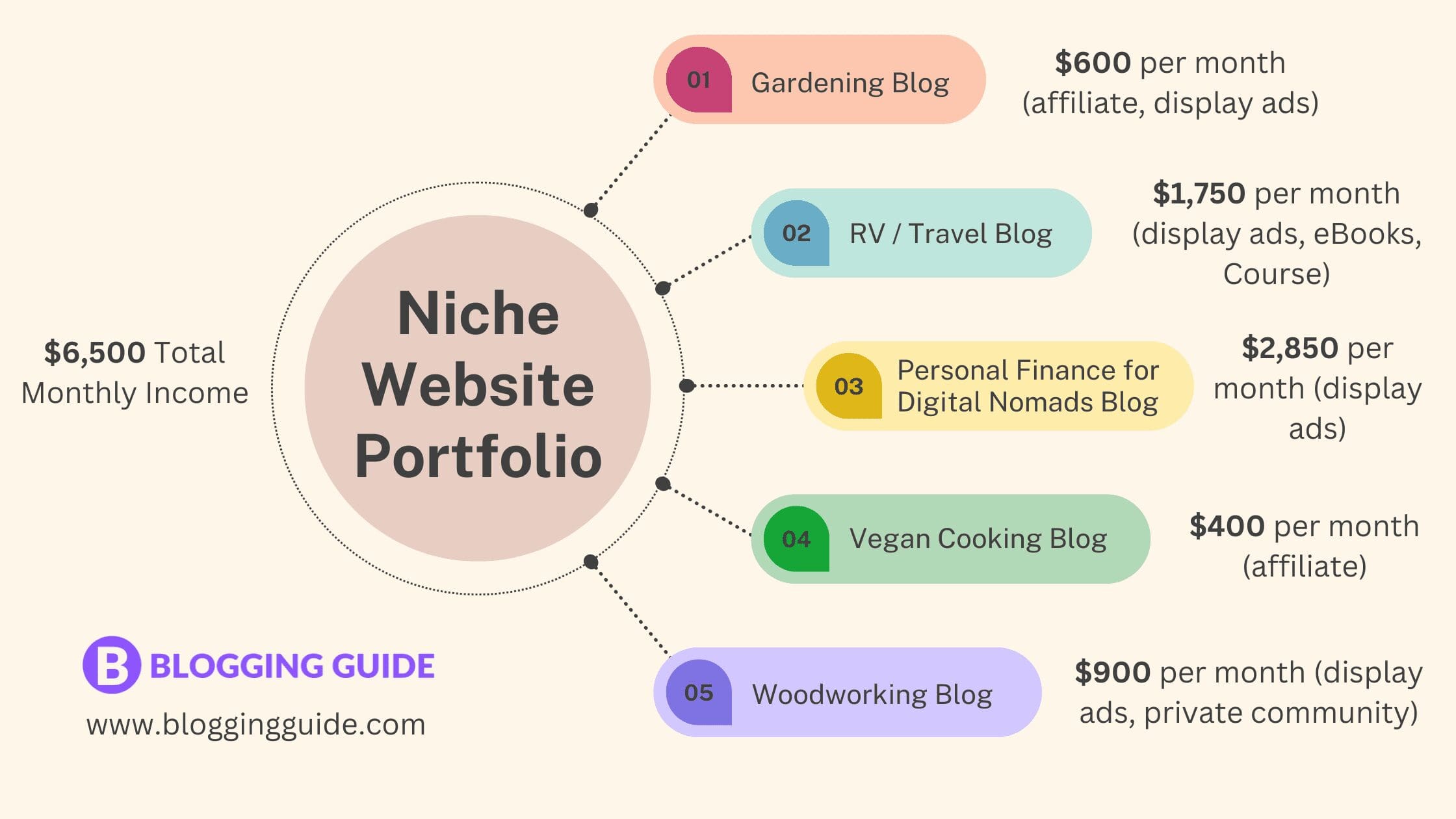
Benefits of Building a Niche Website Portfolio - Blogging Guide
Beginners Guides For Niche Websites & WordPress - WP Eagle

Beginners Guides for Niche Websites & WordPress - WP Eagle