Writing Clickworthy Blog Titles: A Step-by-Step Guide to Crafting Irresistible Headlines
Are you struggling to come up with blog titles that grab the attention of your target audience and entice them to click on your article? Look no further. In this comprehensive guide, we'll walk you through the process of writing clickworthy blog titles that drive traffic, boost engagement, and increase conversions. By the end of this tutorial, you'll have the skills and knowledge to craft catchy blog titles that resonate with your readers and leave a lasting impression. So, let's dive in and explore the world of clickworthy blog titles.
Step 1: Brainstorming Clickworthy Blog Title Ideas
The first step in writing clickworthy blog titles is to brainstorm ideas that are relevant to your content and resonate with your target audience. Start by identifying the main topic of your blog post and then use keyword research tools to find related keywords and phrases. For example, if your blog post is about "how to write a novel," you could use keywords like "writing tips," "novel writing," and "creative writing." Make a list of potential title ideas and then narrow them down to the most attention-grabbing and descriptive ones. Consider using action verbs like "learn," "discover," and "unlock" to make your titles more dynamic and engaging.
Step 2: Crafting Attention-Grabbing Headlines with Emotional Triggers
Emotional triggers are powerful words and phrases that evoke feelings and emotions in your readers. To craft attention-grabbing headlines, incorporate emotional triggers like "amazing," "life-changing," and "revolutionary" into your titles. For instance, instead of using a bland title like "How to Write a Novel," you could use a more compelling title like "Unlock the Secrets to Writing a Life-Changing Novel." Use words that create a sense of urgency, scarcity, or curiosity to make your titles more clickworthy. Remember, the goal is to make your readers feel like they're missing out on something important if they don't click on your article.

Step 3: Optimizing Your Blog Titles for Search Engines
Search engine optimization (SEO) is crucial for increasing the visibility of your blog posts and driving organic traffic to your website. To optimize your blog titles for search engines, use relevant keywords and phrases that your target audience is searching for. Make sure your title accurately reflects the content of your blog post and includes the most important keywords. Use tools like Google Keyword Planner or Ahrefs to find the best keywords for your title. For example, if your blog post is about "how to write a novel," you could use a title like "How to Write a Novel: A Step-by-Step Guide to Writing Your First Book." Keep your title concise, descriptive, and within the recommended character limit of 55-60 characters.
Step 4: Making Your Blog Titles More Descriptive and Informative
A good blog title should accurately convey the main topic and tone of your article. To make your titles more descriptive and informative, use action verbs and descriptive adjectives that provide context and clarity. For instance, instead of using a vague title like "Writing Tips," you could use a more descriptive title like "10 Writing Tips to Help You Write a Bestselling Novel." Use numbers, statistics, and questions to make your titles more engaging and thought-provoking. Consider using a subtitle or tagline to provide additional context and supporting information.
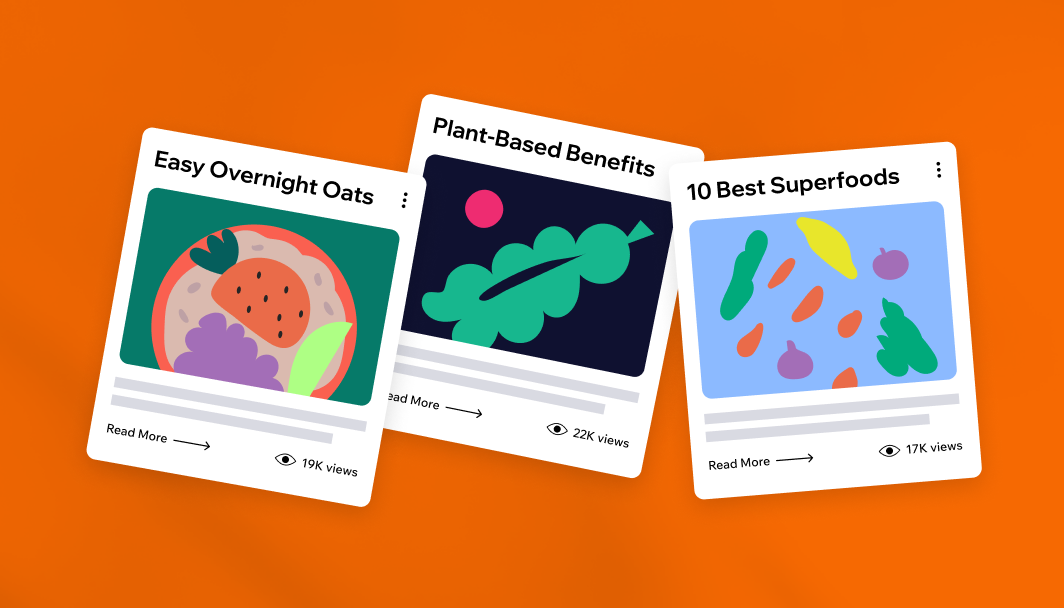
Step 5: Using Humor and Creativity to Craft Clickworthy Blog Titles
Humor and creativity can be powerful tools for crafting clickworthy blog titles that stand out from the crowd. Use puns, wordplay, and clever turns of phrase to add humor and personality to your titles. For example, instead of using a boring title like "How to Write a Novel," you could use a more creative title like "The Novel Writer's Survival Guide: How to Stay Sane and Write a Bestseller." Use alliteration, assonance, and consonance to make your titles more memorable and engaging. Consider using a playful tone or a unexpected twist to make your titles more attention-grabbing and shareable.
Step 6: Testing and Refining Your Blog Titles for Better Performance
Testing and refining your blog titles is crucial for improving their performance and increasing their clickworthiness. Use tools like Google Analytics or A/B testing software to track the performance of your titles and identify areas for improvement. Test different title variations, keywords, and emotional triggers to see what works best for your audience. Refine your titles based on the data and feedback you receive, and continually experiment with new approaches and techniques. Remember, the key to writing clickworthy blog titles is to be flexible, adaptable, and always willing to try new things.
Frequently Asked Questions:
Q: What makes a clickworthy blog title?
A: A clickworthy blog title is one that accurately conveys the main topic and tone of your article, while also being attention-grabbing, descriptive, and informative.
Q: How do I optimize my blog titles for search engines?
A: To optimize your blog titles for search engines, use relevant keywords and phrases, make sure your title accurately reflects the content of your blog post, and keep your title concise and within the recommended character limit.
Q: What are some common mistakes to avoid when writing clickworthy blog titles?
A: Common mistakes to avoid include using misleading or deceptive titles, being too vague or generic, and neglecting to use emotional triggers or attention-grabbing language.
How To Write Catchy Blog Titles: 12 Tips (With Examples)
How to Write Catchy Blog Titles: 12 Tips (With Examples)
How To Write Catchy Blog Titles: 12 Tips And Examples

How to write catchy blog titles: 12 tips and examples
How To Write Catchy Blog Titles: 12 Tips (With Examples)
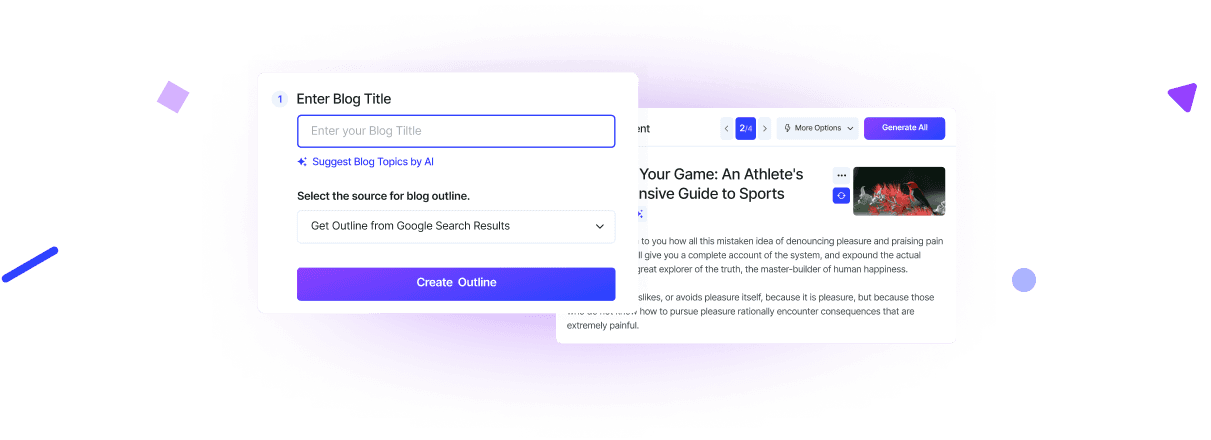
How to Write Catchy Blog Titles: 12 Tips (With Examples)
How To Write Catchy Blog Titles: 12 Tips And Examples

How to write catchy blog titles: 12 tips and examples