How to Write Long-Form Content that Ranks: A Step-by-Step Guide to Keyword Success
Writing long-form content that ranks high in search engine results can be a daunting task, but with the right approach, you can create high-quality, engaging content that resonates with your audience and drives significant traffic to your website. In this tutorial, you will learn how to write long-form content that ranks for keywords, including how to conduct keyword research, create an outline, write compelling headings, and optimize your content for search engines. By the end of this guide, you'll have the skills and knowledge to produce long-form content that not only ranks high but also provides value to your readers.
Step 1: Conduct Keyword Research for Long-Form Content Success
To write long-form content that ranks, you need to start by conducting thorough keyword research. This involves identifying relevant keywords and phrases that your target audience is searching for, and analyzing the competition to determine the best opportunities for ranking. You can use tools like Google Keyword Planner, Ahrefs, or SEMrush to find keywords related to your topic, and then analyze the search volume, competition, and cost-per-click to determine the most valuable keywords to target. For example, if you're writing about "how to write long-form content," you might target keywords like "long-form content," "content marketing," and "keyword research."

Step 2: Create an Outline for Your Long-Form Content
Once you've identified your target keywords, it's time to create an outline for your long-form content. This involves breaking down your topic into smaller sections, and organizing your ideas into a logical structure. A good outline should include an introduction, body paragraphs, and a conclusion, as well as any additional sections or subheadings that are relevant to your topic. For example, if you're writing about "how to write long-form content," your outline might include sections on keyword research, creating an outline, writing compelling headings, and optimizing for search engines. Be sure to keep your outline organized and easy to follow, using headings and subheadings to break up the content and provide a clear structure.

Step 3: Write Compelling Headings for Your Long-Form Content
Compelling headings are essential for long-form content, as they help to break up the content and provide a clear structure for the reader to follow. When writing headings, be sure to include your target keywords, and make sure they are descriptive and informative. You should also use a consistent format for your headings, such as using H1, H2, and H3 tags to create a clear hierarchy of information. For example, if you're writing about "how to write long-form content," your headings might include "Introduction to Long-Form Content," "Conducting Keyword Research," and "Optimizing for Search Engines."
Step 4: Optimize Your Long-Form Content for Search Engines
Optimizing your long-form content for search engines involves a number of techniques, including using keywords strategically, optimizing images and meta tags, and internal linking to other relevant content. When using keywords, be sure to include them in the title, introduction, and body paragraphs, but avoid keyword stuffing, as this can penalty your content. You should also optimize your images by including alt tags and descriptive text, and use meta tags to provide additional information about your content. Finally, be sure to internal link to other relevant content, as this can help to improve the user experience and increase engagement.
Step 5: Refine and Edit Your Long-Form Content
Refining and editing your long-form content is a critical step in the writing process, as it helps to ensure that your content is high-quality, engaging, and error-free. When refining and editing, be sure to read your content carefully, checking for grammar, spelling, and punctuation errors, as well as clarity and coherence. You should also get feedback from others, whether it's a colleague, friend, or professional editor, as this can help to provide a fresh perspective and identify areas for improvement. Finally, be sure to use tools like Grammarly or Hemingway Editor to help with the editing process, as these can provide valuable insights and suggestions for improvement.
Step 6: Publish and Promote Your Long-Form Content
Publishing and promoting your long-form content is the final step in the writing process, and it's essential for getting your content seen by your target audience. When publishing, be sure to choose a platform that is relevant to your audience, whether it's a blog, website, or social media channel. You should also optimize your content for search engines, using techniques like keyword research and meta tags to improve your visibility. Finally, be sure to promote your content through social media, email marketing, and other channels, as this can help to drive traffic and increase engagement.
Frequently Asked Questions:
Q: What is the ideal length for long-form content?
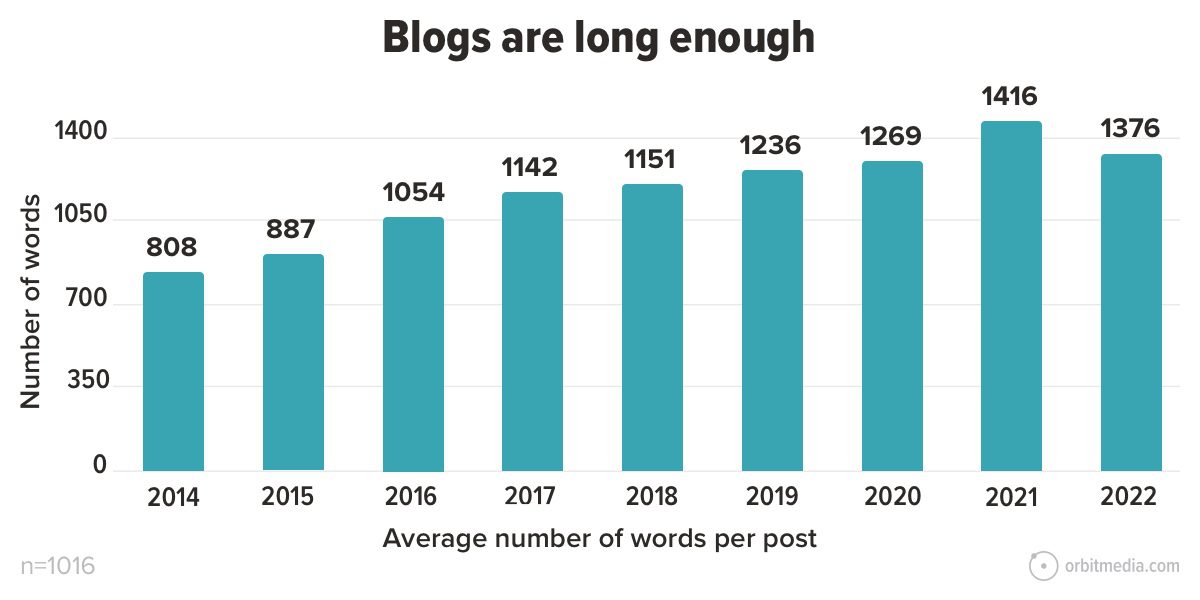
A: The ideal length for long-form content can vary, but it's generally recommended to aim for a minimum of 1,000 words.
Q: How do I conduct keyword research for my long-form content?
A: You can conduct keyword research using tools like Google Keyword Planner, Ahrefs, or SEMrush, and analyzing the search volume, competition, and cost-per-click to determine the most valuable keywords to target.
Q: What are the most important factors for optimizing long-form content for search engines?
A: The most important factors for optimizing long-form content for search engines include using keywords strategically, optimizing images and meta tags, and internal linking to other relevant content.
How To Write Long-Form Content | Brafton

How To Write Long-Form Content | Brafton
How To Write Long Form Content That Ranks And Converts - Jobs Central

How to Write Long Form Content That Ranks and Converts - Jobs Central
How To Write Long-Form Content | Brafton
How To Write Long-Form Content | Brafton