Checking Website Ranking: A Beginner's Guide to Improving Blog SEO
Welcome to our comprehensive guide on how to check your website ranking and improve it quickly. In this tutorial, we will walk you through a step-by-step process to help you understand how to check your blog ranking, analyze your website's performance, and make data-driven decisions to boost your online presence. By the end of this article, you will be equipped with the knowledge and skills to check your website ranking, identify areas for improvement, and develop a solid strategy to increase your website's visibility and drive more traffic to your blog.
Step 1: Choose a Reliable Website Ranking Tool
To check your website ranking, you need a reliable tool that can provide you with accurate and up-to-date information. There are many website ranking tools available, both free and paid, such as Google Search Console, Ahrefs, and SEMrush. When choosing a tool, consider factors such as ease of use, features, and pricing. For example, Google Search Console is a free tool that provides valuable insights into your website's performance, while Ahrefs offers a comprehensive suite of tools for keyword research, backlink analysis, and content optimization. 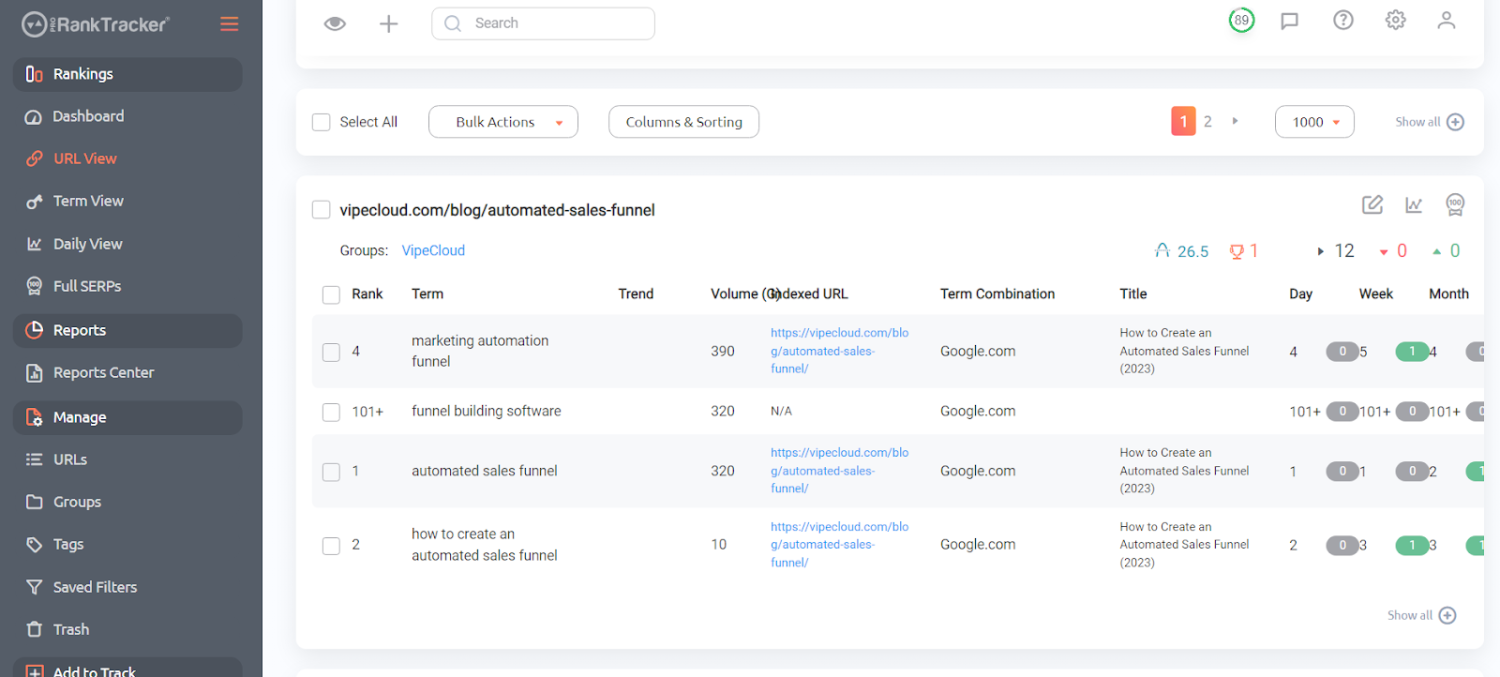
Step 2: Set Up Your Website Ranking Tool
Once you have chosen a website ranking tool, set it up to track your website's performance. This typically involves creating an account, verifying your website, and setting up tracking parameters such as keywords, competitors, and geographic locations. For instance, if you're using Google Search Console, you'll need to verify your website by adding a meta tag or HTML file to your website's root directory. Be sure to follow the tool's instructions carefully to ensure accurate tracking. 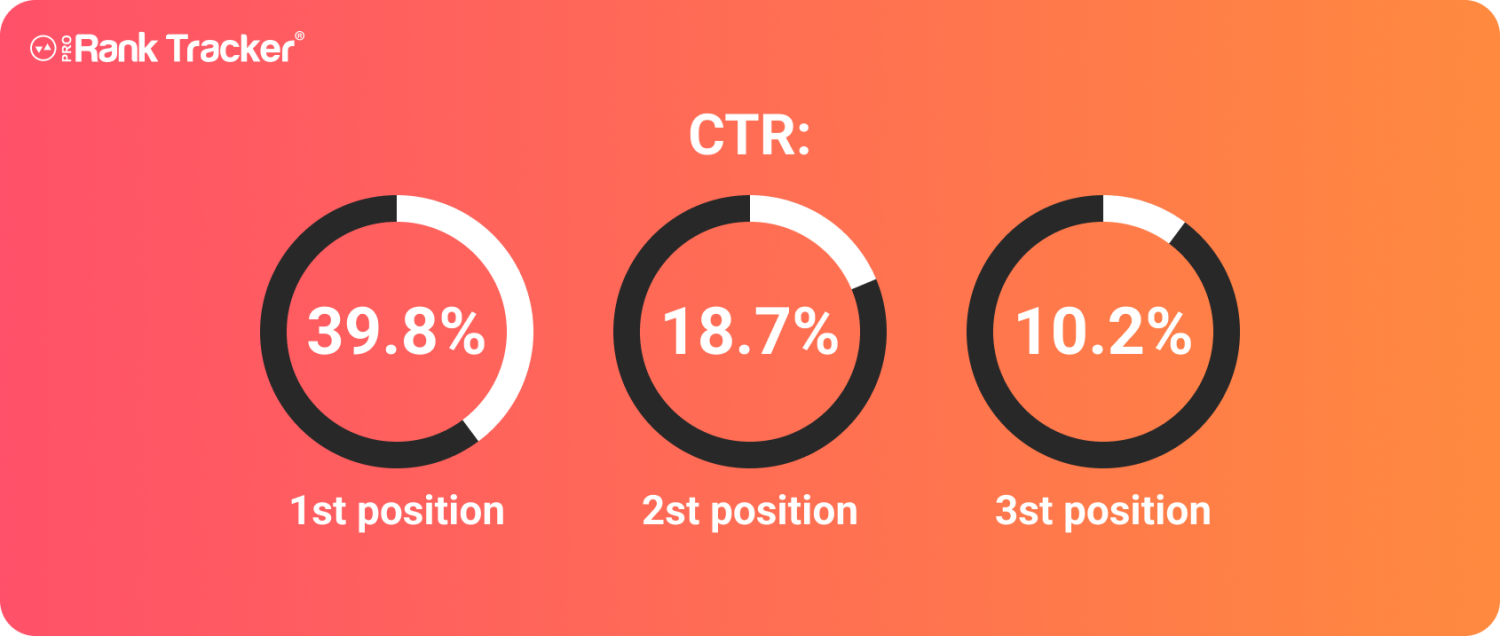
Step 3: Identify Target Keywords for Your Blog
To check your blog ranking, you need to identify the target keywords that are most relevant to your content. Conduct keyword research using tools like Google Keyword Planner, Ahrefs, or SEMrush to find the best keywords for your blog. Consider factors such as search volume, competition, and relevance to your content. For example, if you're writing a blog post about "website ranking tips," you may want to target keywords like "check website ranking," "improve website ranking," or "website ranking tools." Make sure to choose keywords that are specific, measurable, achievable, relevant, and time-bound (SMART) to ensure accurate tracking.
Step 4: Analyze Your Website's Performance
With your website ranking tool set up and target keywords identified, it's time to analyze your website's performance. Look at metrics such as search engine rankings, organic traffic, bounce rate, and conversion rate to understand how your website is performing. Use this data to identify areas for improvement, such as optimizing your website's content, meta tags, and internal linking structure. For instance, if you notice that your website is ranking low for a particular keyword, you may need to optimize your content with more relevant keywords, meta descriptions, and header tags.
Step 5: Optimize Your Website's Content
Optimizing your website's content is crucial to improving your blog ranking. Use the data from your website ranking tool to identify areas for improvement and make data-driven decisions to optimize your content. This may involve rewriting meta titles and descriptions, optimizing header tags, and adding more relevant keywords to your content. For example, if you're writing a blog post about "website ranking tips," you may want to include subheadings like "What is Website Ranking?" or "How to Improve Website Ranking." Remember to keep your content high-quality, engaging, and informative to attract and retain more readers.
Step 6: Build High-Quality Backlinks
Building high-quality backlinks is essential to improving your website's authority and ranking. Use your website ranking tool to identify opportunities to build backlinks from reputable sources, such as guest blogging, resource pages, and broken link building. Remember to focus on quality over quantity, as a few high-quality backlinks can be more valuable than many low-quality ones. For instance, if you're writing a blog post about "website ranking tips," you may want to reach out to other bloggers in your niche and offer to write a guest post in exchange for a backlink.
Step 7: Monitor and Adjust Your Strategy
Finally, monitor your website's performance regularly and adjust your strategy as needed. Use your website ranking tool to track your progress, identify areas for improvement, and make data-driven decisions to optimize your content and build high-quality backlinks. Remember to stay up-to-date with the latest trends and best practices in search engine optimization (SEO) to ensure your website remains competitive and visible in search engine results pages (SERPs).
Frequently Asked Questions:
Q: What is website ranking, and why is it important?
A: Website ranking refers to the position of your website in search engine results pages (SERPs) for a particular keyword or phrase. It's essential to improve your website ranking to increase your online visibility, drive more traffic to your website, and attract more customers.
Q: How often should I check my website ranking?
A: You should check your website ranking regularly, ideally weekly or monthly, to track your progress, identify areas for improvement, and make data-driven decisions to optimize your content and build high-quality backlinks.
Q: What are the most important factors to consider when checking website ranking?
A: The most important factors to consider when checking website ranking include search engine rankings, organic traffic, bounce rate, conversion rate, and backlinks. These metrics can help you understand your website's performance, identify areas for improvement, and develop a solid strategy to boost your online presence.
How To Check If Your Blog Posts Are Ranking Well (5 Tools + Tips)
How to Check If Your Blog Posts Are Ranking Well (5 Tools + Tips)
How To Check Google Rankings: 4 Easy Tools
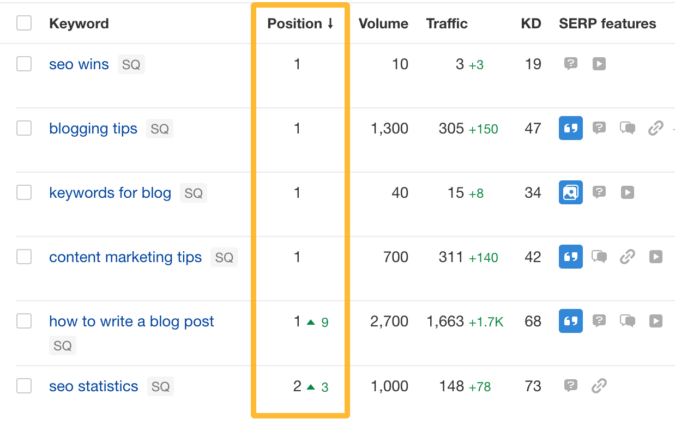
How to Check Google Rankings: 4 Easy Tools
Website Ranking 101: How To Check & Improve Your Positions

Website Ranking 101: How to Check & Improve Your Positions