Creating a Simple Website Without Coding: A Beginner's Guide to No-Code Website Development
Are you looking to create a simple website without coding, but don't know where to start? You're in the right place. In this step-by-step tutorial, we'll show you how to create a website without coding, using easy-to-use tools and platforms. By the end of this guide, you'll have a fully functional website up and running, without needing to write a single line of code. Whether you're a small business owner, entrepreneur, or individual, this guide will walk you through the process of creating a website without coding, using website builders and other no-code tools.
Step 1: Choose a Website Builder for Creating a Website Without Coding
When it comes to creating a website without coding, the first step is to choose a website builder that meets your needs. There are many website builders out there, such as Wix, Squarespace, and Weebly, that offer drag-and-drop tools and templates to help you create a website without coding. Consider factors such as ease of use, customization options, and pricing when selecting a website builder. For example, Wix offers a user-friendly interface and a wide range of templates, making it a great option for beginners. 
Step 2: Register a Domain Name and Web Hosting for Your No-Code Website
Once you've chosen a website builder, the next step is to register a domain name and web hosting for your website. Your domain name is the address people will use to access your website, and web hosting is where your website's files will be stored. Many website builders offer domain name registration and web hosting services, making it easy to get started. When registering a domain name, choose a name that's easy to remember and relevant to your website's content. For example, if you're creating a website for a small business, you might register a domain name like [yourbusinessname].com. 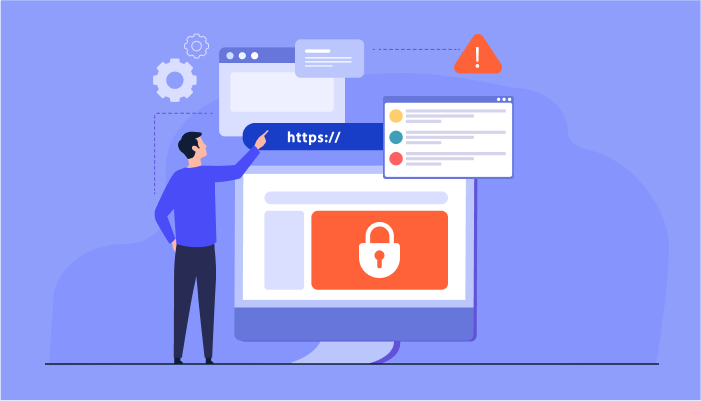
Step 3: Select a Template for Creating a Website Without Coding
Now that you've registered a domain name and web hosting, it's time to select a template for your website. Most website builders offer a wide range of templates to choose from, each with its own unique design and layout. Consider the type of website you're creating and the message you want to convey when selecting a template. For example, if you're creating a website for a small business, you might choose a template with a professional and clean design.
Step 4: Customize Your Website's Design and Content Without Coding
Once you've selected a template, it's time to customize your website's design and content. Most website builders offer drag-and-drop tools that make it easy to add text, images, and other elements to your website. Consider the colors, fonts, and overall aesthetic you want to create when customizing your website's design. You can also add pages, such as an about page, contact page, and blog, to provide more information to your visitors. For example, you might add a page with a brief biography and contact information to help visitors get in touch with you.
Step 5: Add Functionality to Your No-Code Website
In addition to customizing your website's design and content, you can also add functionality to your website using various tools and integrations. For example, you might add a contact form to allow visitors to get in touch with you, or an e-commerce plugin to sell products online. Many website builders offer integrations with third-party services, such as social media platforms and payment gateways, to make it easy to add functionality to your website. Consider what features you need to achieve your website's goals when adding functionality to your website.
Step 6: Publish and Launch Your No-Code Website
Once you've customized your website's design and content, and added functionality, it's time to publish and launch your website. Most website builders offer a one-click publish option that makes it easy to launch your website. Before launching your website, make sure to review your website's content and design to ensure everything is accurate and looks great. You can also test your website on different devices and browsers to ensure it's responsive and works well. For example, you might test your website on a desktop computer, laptop, and mobile phone to ensure it looks great on all devices.
Step 7: Maintain and Update Your No-Code Website
After launching your website, it's essential to maintain and update it regularly to keep your content fresh and your website secure. Most website builders offer tools and features to help you update your website's content and design, such as a built-in editor and drag-and-drop tools. Consider setting aside time each week or month to review your website's content and make updates as needed. You can also use analytics tools to track your website's traffic and engagement, and make data-driven decisions to improve your website's performance. For example, you might use Google Analytics to track your website's traffic and identify areas for improvement.
Frequently Asked Questions About Creating a Website Without Coding
Q: Do I need to know how to code to create a website? A: No, you don't need to know how to code to create a website. Many website builders offer drag-and-drop tools and templates to help you create a website without coding. Q: What is the best website builder for creating a website without coding? A: The best website builder for creating a website without coding depends on your needs and preferences. Consider factors such as ease of use, customization options, and pricing when selecting a website builder. Q: Can I create an e-commerce website without coding? A: Yes, you can create an e-commerce website without coding using website builders that offer e-commerce plugins and integrations. Many website builders offer tools and features to help you sell products online, such as payment gateways and shopping cart functionality. Q: How do I get started with creating a website without coding? A: To get started with creating a website without coding, choose a website builder that meets your needs, register a domain name and web hosting, and select a template. Then, customize your website's design and content, add functionality, and publish and launch your website.
How To Create A Website Without Coding - Fronty
How To Create a Website Without Coding - Fronty
How To Create A Website Without Coding - Fronty
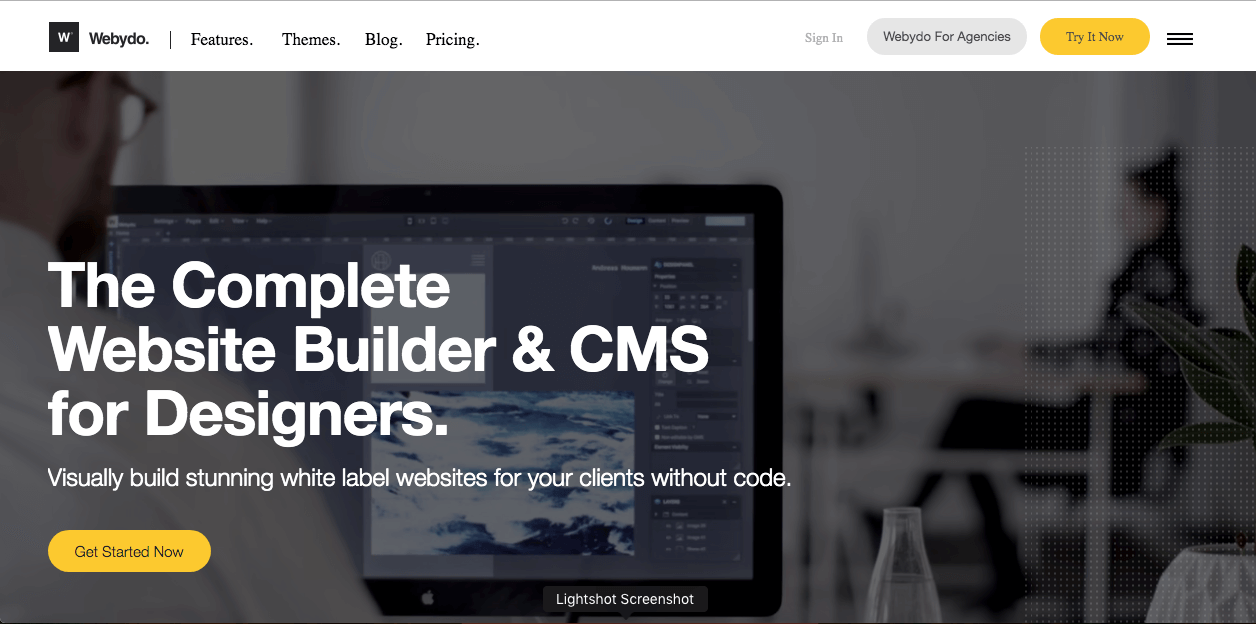
How To Create a Website Without Coding - Fronty
How To Create A Website Without Coding
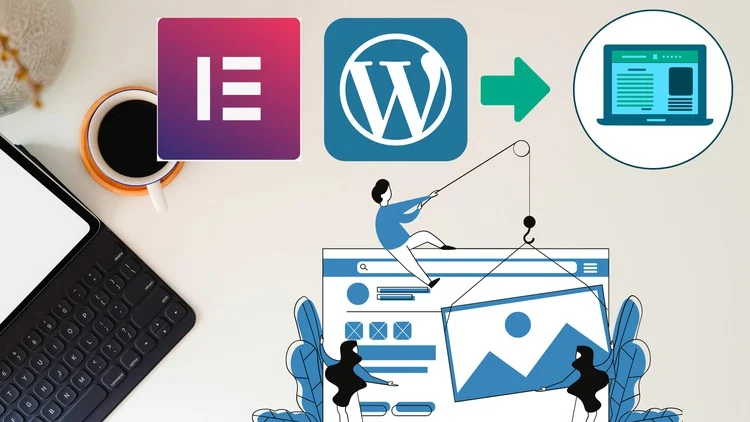
How to Create A Website Without Coding