Mastering SEO Strategy for Beginners: A Comprehensive Guide to Search Engine Optimization
Welcome to our beginner's guide to creating an effective SEO strategy. In this tutorial, we will walk you through the essential steps to improve your website's visibility, drive organic traffic, and boost your online presence. By the end of this guide, you will have a solid understanding of how to develop a winning SEO strategy that drives real results. Whether you're a small business owner, marketer, or website owner, this guide is designed to help you navigate the world of search engine optimization and achieve your online goals.
Step 1: Conducting Keyword Research for SEO Success
Keyword research is the foundation of any successful SEO strategy. It involves identifying the words and phrases your target audience uses to search for products or services like yours. To conduct keyword research, you can use tools like Google Keyword Planner, Ahrefs, or SEMrush. Start by brainstorming a list of relevant keywords and phrases, then analyze their search volume, competition, and cost-per-click. For example, if you're a fitness coach, your keyword list might include terms like "weight loss tips," "fitness routines," or "healthy eating plans." 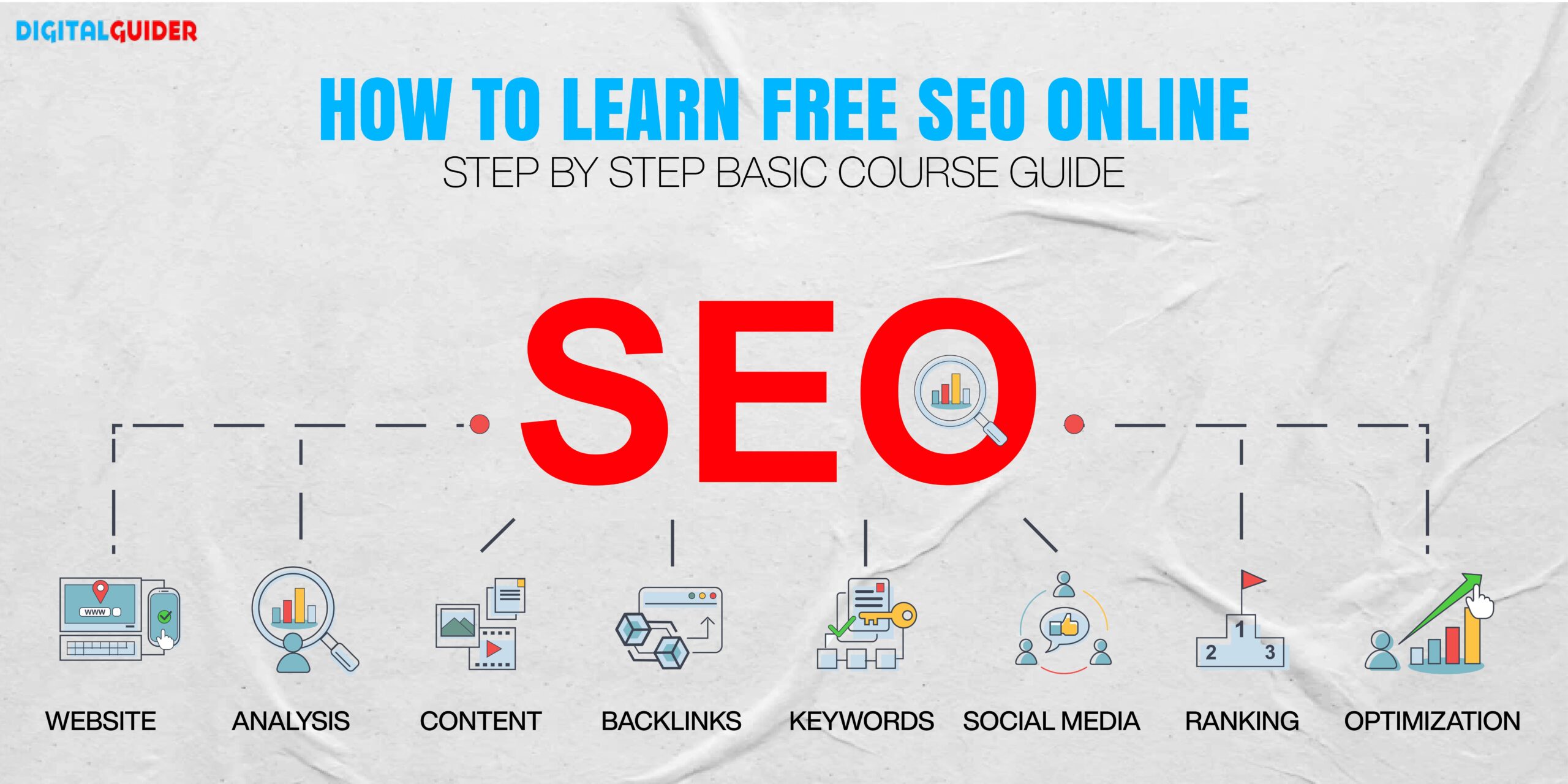
Step 2: Optimizing On-Page Elements for Search Engine Ranking
On-page optimization refers to the process of optimizing individual web pages to rank higher in search engines. This includes optimizing title tags, meta descriptions, headings, and content. Ensure your title tags are descriptive, concise, and include your target keywords. Meta descriptions should be compelling and summarise the content of your page. Headings should be structured in a logical hierarchy, with H1 tags used for the main title, and H2, H3, etc. for subheadings. Finally, make sure your content is high-quality, engaging, and optimized for your target keywords. For example, if you're writing a blog post about "SEO tips for beginners," your title tag might be "SEO Tips for Beginners: A Comprehensive Guide," and your meta description might be "Learn the basics of SEO with our beginner's guide, covering keyword research, on-page optimization, and link building." 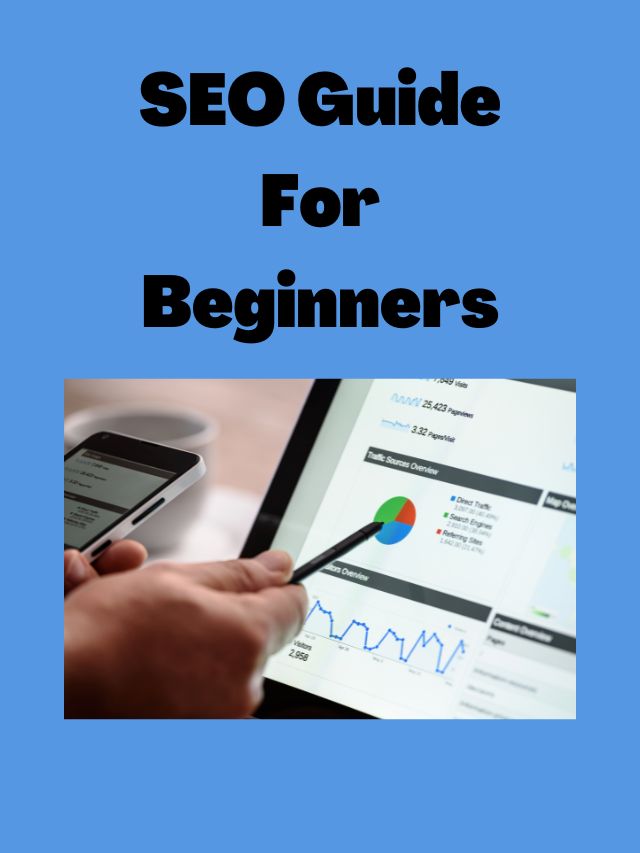
Step 3: Creating High-Quality, SEO-Friendly Content
High-quality, engaging content is essential for attracting and retaining a clearly defined audience. Your content should be informative, entertaining, and optimized for your target keywords. Use a variety of content formats, such as blog posts, videos, infographics, and podcasts, to cater to different learning styles and preferences. Make sure your content is well-researched, well-structured, and includes relevant internal and external links. For example, if you're writing a blog post about "the benefits of social media marketing," you might include links to social media platforms, marketing blogs, or relevant studies. Remember to keep your content fresh, up-to-date, and regularly updated to signal to search engines that your website is active and deserving of crawling and indexing.
Step 4: Building High-Authority Backlinks for Improved Search Engine Ranking
Backlinks are an essential component of any SEO strategy. They signal to search engines that your website is trusted, authoritative, and worthy of citation. To build high-authority backlinks, focus on creating high-quality, linkable assets, such as infographics, eBooks, or whitepapers. Reach out to relevant websites, blogs, and influencers in your niche, and ask them to link back to your content. You can also use guest blogging, broken link building, and resource pages to acquire high-quality backlinks. For example, if you're a fitness coach, you might reach out to a health and wellness blog and offer to write a guest post in exchange for a link back to your website.
Step 5: Analyzing and Tracking SEO Performance with Key Metrics
Finally, it's essential to track and analyze your SEO performance to understand what's working and what's not. Use tools like Google Analytics, Google Search Console, or Ahrefs to monitor your website's traffic, engagement, and keyword rankings. Track key metrics, such as organic sessions, bounce rate, and conversion rate, to gauge the effectiveness of your SEO strategy. Use this data to refine your strategy, identify areas for improvement, and make data-driven decisions. For example, if you notice that your website is ranking well for a particular keyword, but not driving much traffic, you might adjust your content to better match user intent.
Frequently Asked Questions
Q: What is SEO, and why is it important for my website? A: SEO stands for search engine optimization, and it's the process of optimizing your website to rank higher in search engines. It's essential for driving organic traffic, increasing online visibility, and boosting conversions.
Q: How long does it take to see results from an SEO strategy? A: The time it takes to see results from an SEO strategy can vary depending on factors like competition, keyword difficulty, and the quality of your content. Generally, it can take anywhere from a few weeks to several months to see noticeable improvements in your website's ranking and traffic.
Q: What are the most important ranking factors for SEO? A: The most important ranking factors for SEO include keyword research, on-page optimization, high-quality content, backlinks, and technical optimization. However, the importance of each factor can vary depending on the specific search query and algorithm updates.
How To Create An SEO Strategy? SEO 2021 Practical Guide.: Create Your

How to create an SEO strategy? SEO 2021 practical guide.: Create your ...
How To Create An SEO Strategy: The Complete Guide For Businesses
How to Create an SEO Strategy: The Complete Guide for Businesses ...
A Beginner's Guide To SEO Strategy
A Beginner's Guide To SEO Strategy