Mastering Time Management at Home: Boost Productivity with Effective Techniques
Managing time effectively at home can be a daunting task, especially with the comfort and distractions that come with working from your own space. However, with the right strategies and techniques, you can boost your productivity, achieve a better work-life balance, and reduce stress. In this tutorial, you will learn how to manage your time effectively at home, prioritize tasks, and create a schedule that works for you. By the end of this guide, you will be equipped with the skills and knowledge to maximize your time, increase efficiency, and enjoy a more organized and peaceful home office experience.
Step 1: Set Clear Goals and Priorities for Effective Time Management
To manage your time effectively, you need to set clear goals and priorities. Start by identifying your short-term and long-term objectives, and then break them down into smaller, manageable tasks. Use a task list or a planner to keep track of your goals and priorities, and make sure to review them regularly to stay focused and motivated. For example, if you're working on a project, your goal might be to complete a certain task within a specific timeframe. 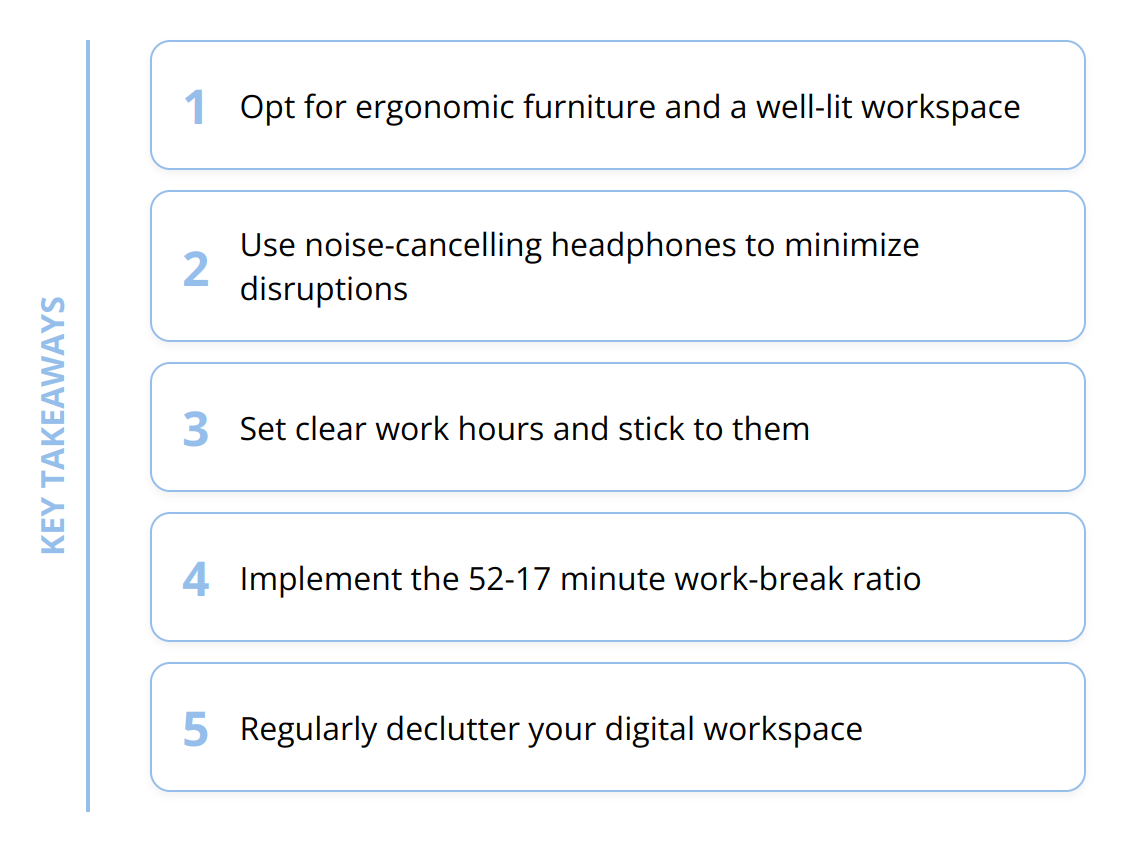
Step 2: Create a Schedule for Effective Time Management at Home
Creating a schedule is crucial for effective time management at home. Start by blocking out dedicated time for work, breaks, and leisure activities. Use a calendar or a planner to schedule your tasks, and make sure to include time for self-care and relaxation. Be realistic when creating your schedule, and avoid overcommitting yourself. For instance, if you're not a morning person, don't schedule your most important tasks for early morning. Instead, schedule them for when you're most productive and focused. 
Step 3: Eliminate Distractions and Minimize Interruptions for Better Time Management
Distractions and interruptions can be major productivity killers when working from home. To eliminate distractions, identify the things that distract you the most, such as social media, email, or phone notifications, and find ways to minimize them. Use website blockers or apps that help you stay focused, and consider implementing a "do not disturb" sign on your door to minimize interruptions. Create a dedicated workspace that is quiet, comfortable, and free from distractions, and make sure your family and friends understand your work hours and boundaries.
Step 4: Use Time-Management Tools and Techniques for Effective Time Management
There are many time-management tools and techniques that can help you stay organized and focused. The Pomodoro Technique, for example, involves working in focused 25-minute increments, followed by a five-minute break. This technique can help you stay focused and avoid burnout. Other tools, such as time-tracking software or apps, can help you monitor how you spend your time and identify areas for improvement. Experiment with different tools and techniques to find what works best for you, and make sure to review and adjust your approach regularly.
Step 5: Take Breaks and Practice Self-Care for Effective Time Management
Taking breaks and practicing self-care is essential for effective time management at home. When you work long hours without taking breaks, you can burn out and lose productivity. Schedule regular breaks into your day, and use that time to do something enjoyable or relaxing. Take a walk, meditate, or read a book – whatever helps you recharge and refocus. Prioritize self-care activities, such as exercise, healthy eating, and sleep, to maintain your physical and mental well-being. Remember, taking care of yourself is essential for maintaining your productivity and overall quality of life.
Step 6: Review and Adjust Your Time Management Strategy
Finally, it's essential to regularly review and adjust your time management strategy to ensure it's working effectively. Schedule regular check-ins with yourself to review your progress, goals, and priorities. Identify what's working and what areas need improvement, and make adjustments as needed. Be flexible and willing to try new approaches, and don't be afraid to seek help or guidance when you need it. By regularly reviewing and adjusting your strategy, you can stay on track, achieve your goals, and maintain a healthy work-life balance.
Frequently Asked Questions
Q: What is the most effective way to manage time at home?
A: The most effective way to manage time at home is to create a schedule, prioritize tasks, and minimize distractions. Use time-management tools and techniques, such as the Pomodoro Technique, to stay focused and organized.
Q: How can I avoid procrastination and stay motivated?
A: To avoid procrastination and stay motivated, break down large tasks into smaller, manageable tasks, and set clear goals and deadlines. Use positive self-talk, rewards, and accountability to stay motivated and focused.
Q: What are some common time-management mistakes to avoid?
A: Common time-management mistakes to avoid include overcommitting, multitasking, and failing to take breaks. Avoid distractions, such as social media and email, and prioritize self-care activities, such as exercise and sleep, to maintain your physical and mental well-being.
How To Manage Your Time Effectively

How to Manage Your Time Effectively
How To Manage Time Effectively – How To Manage Time Management – PPKMIA
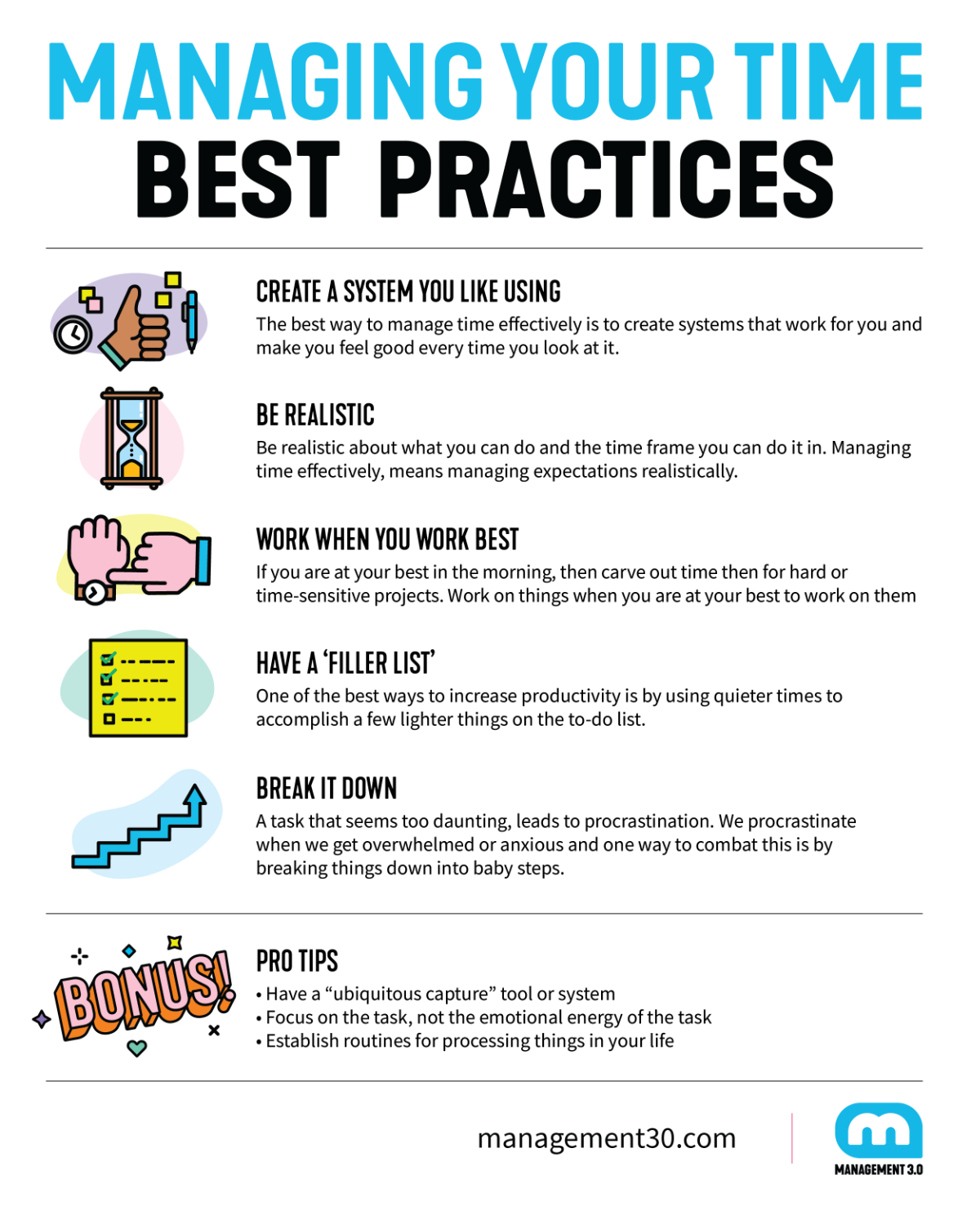
how to manage time effectively – how to manage time management – PPKMIA
7 Tips To Manage Time Effectively | Wellness Center | University Of
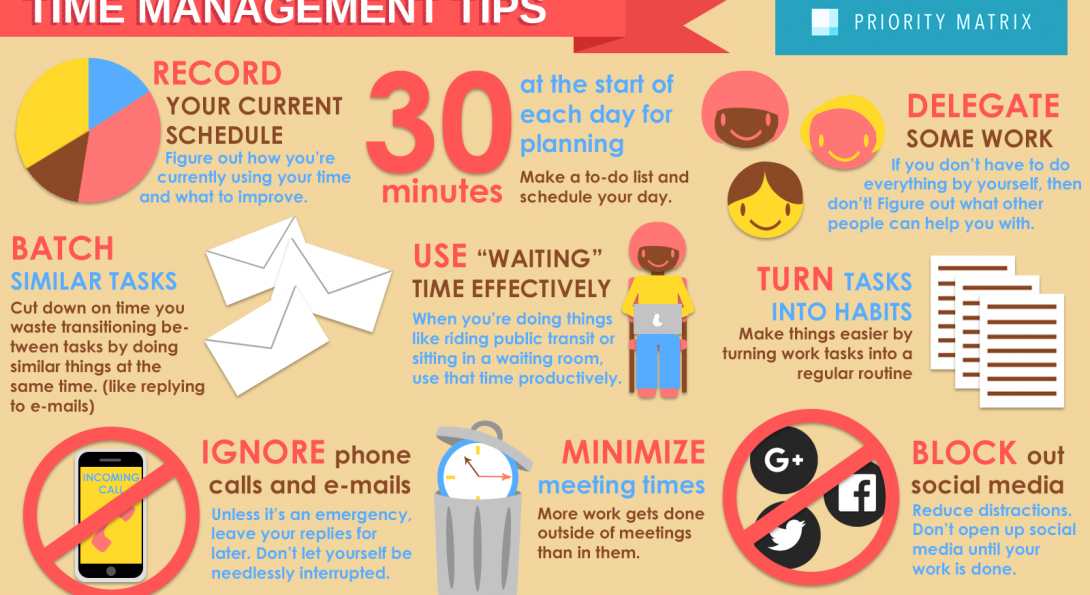
7 Tips to Manage Time Effectively | Wellness Center | University of ...