Blog Content Planning for Beginners: A Step-by-Step Guide to Success
Welcome to the world of blogging, where the thrill of creating content meets the agony of planning it. As a beginner, planning blog content can seem like a daunting task, but fear not, young blogger! In this tutorial, we'll walk you through the process of planning blog content that will engage, inform, and entertain your audience. By the end of this guide, you'll be equipped with the knowledge and skills to create a content plan that will make your blog shine. So, grab a cup of coffee, get comfortable, and let's dive into the wonderful world of blog content planning.
Step 1: Define Your Niche and Target Audience for Blogging Success
Before you start planning your blog content, you need to define your niche and target audience. Your niche is the topic or theme of your blog, and your target audience is the group of people you're writing for. For example, if you're a food blogger, your niche might be vegan recipes, and your target audience might be health-conscious individuals looking for plant-based meal ideas. To define your niche and target audience, ask yourself: What am I passionate about? Who do I want to help or entertain? What problems do they face, and how can I solve them? 
Step 2: Conduct Keyword Research for Blog Content Planning
Keyword research is a crucial step in planning blog content. It helps you understand what your target audience is searching for and how you can create content that meets their needs. To conduct keyword research, you can use tools like Google Keyword Planner, Ahrefs, or SEMrush. Start by brainstorming a list of keywords related to your niche, and then use these tools to find relevant keywords, phrases, and topics. For example, if you're a fashion blogger, you might use keywords like "summer outfits," "fashion trends," or "style tips." 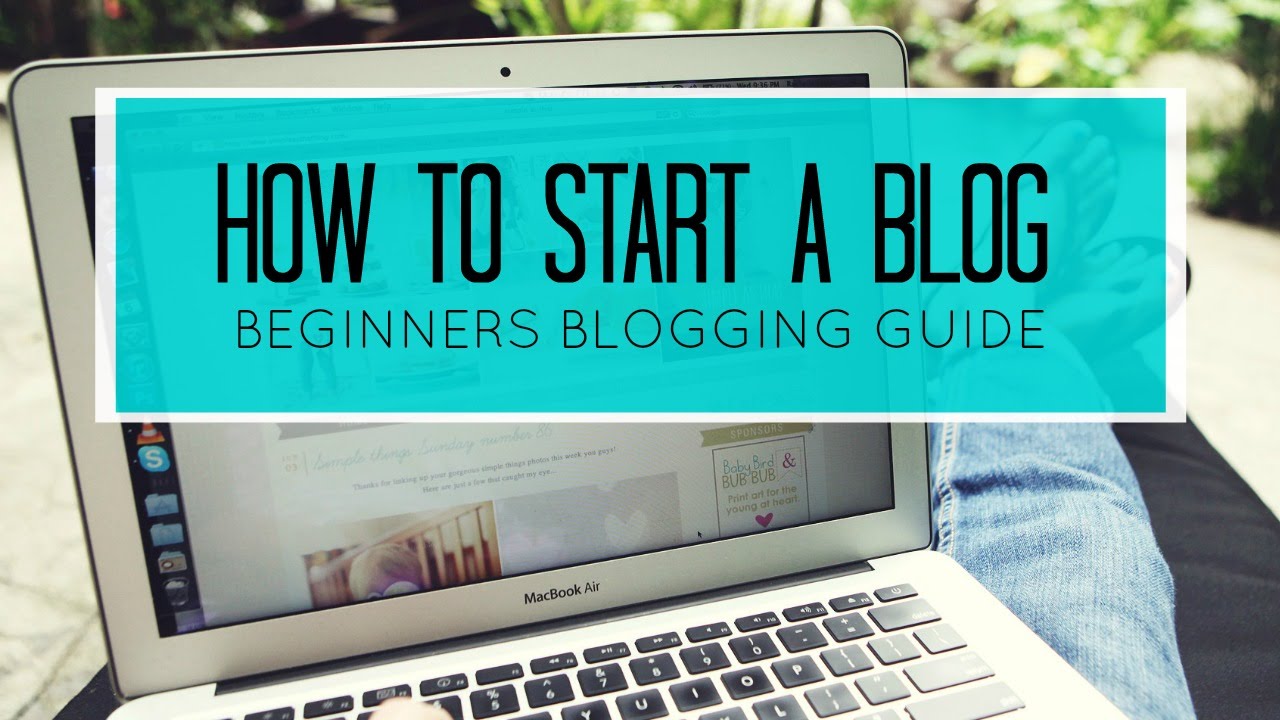
Step 3: Create a Content Calendar for Blogging Beginners
A content calendar is a planner or schedule that helps you organize and plan your blog content in advance. It can be a physical notebook, a digital spreadsheet, or a tool like Trello or Asana. To create a content calendar, start by deciding on a theme or topic for each month or week. Then, break down each topic into smaller, more manageable chunks, such as blog posts, social media posts, or email newsletters. Be sure to leave some space for flexibility and spontaneity, as you never know when a great idea might strike.
Step 4: Develop a Content Strategy for Beginners Blogging
A content strategy is a plan that outlines how you'll create, publish, and promote your blog content. It should include your goals, target audience, channels, and metrics for success. To develop a content strategy, ask yourself: What do I want to achieve with my blog? Who do I want to reach? What type of content do I want to create? How will I promote my content? What metrics will I use to measure success? For example, if you're a travel blogger, your content strategy might include creating destination guides, hotel reviews, and cultural tips, and promoting them on social media, email newsletters, and travel forums.
Step 5: Plan Your Blog Posts and Content Format
Now that you have a content calendar and strategy in place, it's time to plan your individual blog posts. Start by brainstorming a list of ideas, and then narrow them down to the most relevant and engaging ones. Consider the format of your content, such as text-based posts, videos, podcasts, or infographics. Think about the tone, style, and voice of your content, and how it will resonate with your target audience. For example, if you're a beauty blogger, you might create a series of tutorial videos on makeup techniques, or a podcast on skincare tips.
Step 6: Optimize Your Content for SEO and Engagement
Finally, it's time to optimize your content for search engines and engagement. This includes using keywords strategically, creating attention-grabbing headlines, and writing compelling meta descriptions. It also includes using social media to promote your content, engage with your audience, and build a community around your blog. To optimize your content, use tools like Yoast SEO, Ahrefs, or SEMrush to analyze your keywords, meta tags, and social media performance.
And there you have it, folks! With these six steps, you'll be well on your way to planning blog content that will engage, inform, and entertain your audience. Remember to stay flexible, be patient, and always keep your target audience in mind. Happy blogging!
Frequently Asked Questions (FAQs)
Q: How often should I post on my blog? A: The frequency of posting depends on your niche, target audience, and content strategy. As a beginner, start with a schedule that works for you, such as once a week or once a month, and adjust as needed.
Q: What type of content should I create? A: The type of content you create depends on your niche, target audience, and content strategy. Consider creating a mix of informative, entertaining, and engaging content, such as blog posts, videos, podcasts, or infographics.
Q: How do I promote my blog content? A: You can promote your blog content on social media, email newsletters, guest blogging, or paid advertising. Choose the channels that work best for your target audience and content strategy.
Blog Content Plan: How To Create One In 7 Easy Steps | KE Offers

Blog Content Plan: How to Create One in 7 Easy Steps | KE Offers
71 Blog Beginner's Guide Ideas | Blogging For Beginners, Successful

71 Blog Beginner's Guide ideas | blogging for beginners, successful ...
How To Create A Blog Content Plan That Gets You Results [6 Simple Steps]
![How to Create a Blog Content Plan That Gets You Results [6 Simple Steps]](https://intigress.com/wp-content/uploads/2021/02/Blog-Headers-3-1024x536.png)
How to Create a Blog Content Plan That Gets You Results [6 Simple Steps]