Starting Affiliate Marketing for Beginners: A Step-by-Step Guide to Success
Welcome to the world of affiliate marketing, a lucrative online business that can help you earn passive income and turn your passion into a career. In this tutorial, we will walk you through the process of starting affiliate marketing from scratch, providing you with the necessary tools and knowledge to succeed in this field. By the end of this guide, you will have a clear understanding of how to get started with affiliate marketing, choose the right programs, and create effective campaigns to promote products and services to your target audience.
Step 1: Understanding Affiliate Marketing and Choosing a Niche
Affiliate marketing is a form of online marketing that involves promoting products or services from other companies and earning a commission on sales or referrals. To start, you need to choose a niche that aligns with your interests, expertise, and target audience. For example, if you're passionate about fitness, you can promote fitness products or services. Research popular affiliate programs like Amazon Associates, ShareASale, or Commission Junction to find suitable products for your niche. 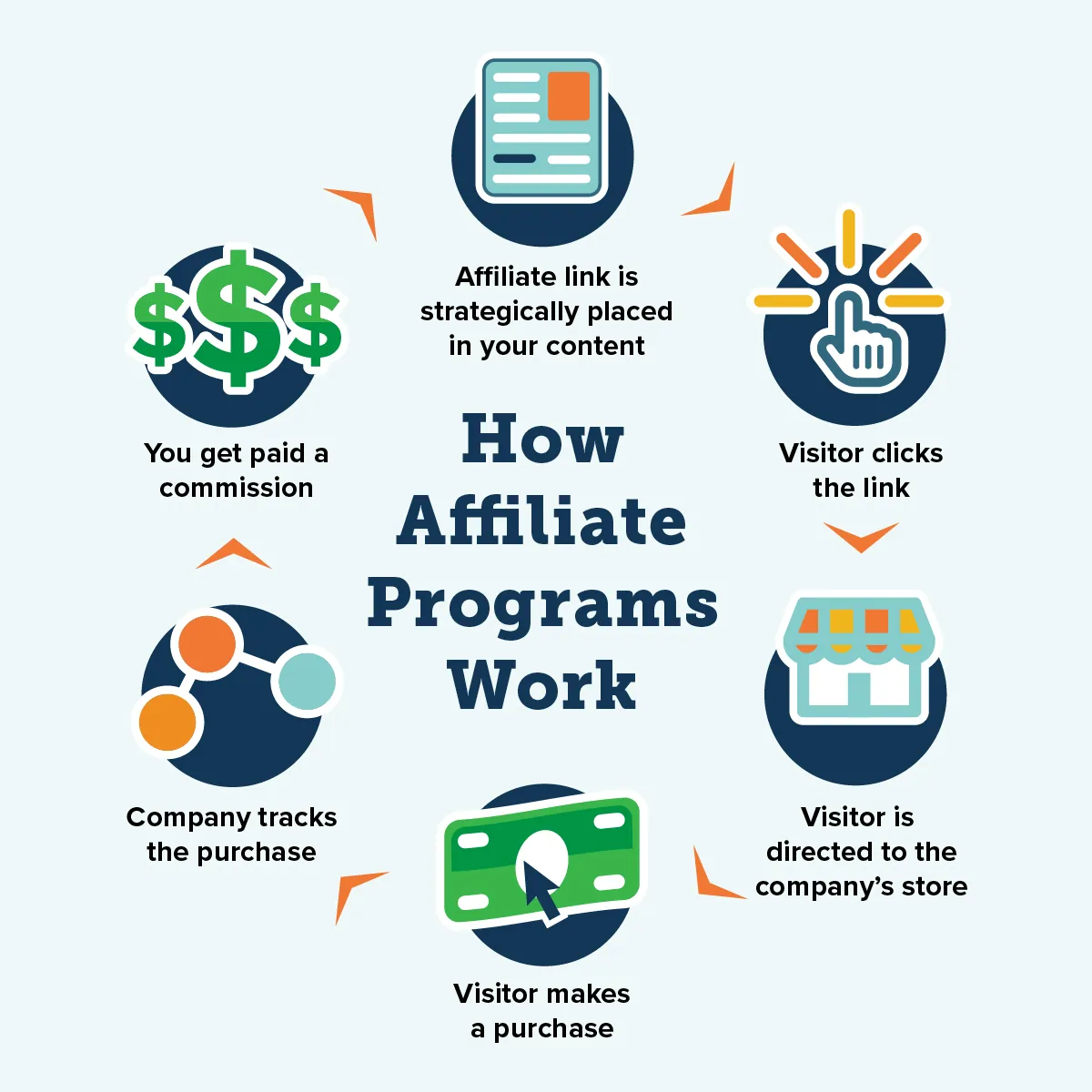
Step 2: Building a Professional Website or Blog for Affiliate Marketing
Having a professional website or blog is crucial for affiliate marketing success. Choose a domain name, register it, and select a web hosting service like Bluehost or SiteGround. Install a content management system (CMS) like WordPress or Joomla, and select a theme that resonates with your brand. Create high-quality, engaging content that provides value to your audience, such as product reviews, tutorials, or tips. Optimize your website for search engines to improve visibility and drive organic traffic. 
Step 3: Joining Affiliate Programs and Obtaining Affiliate Links
Join affiliate programs that offer products or services in your niche. Research the program's commission structure, cookie duration, and payout threshold. Once you're approved, obtain your unique affiliate link or code to track referrals. Some popular affiliate programs include Amazon Associates, ClickBank, and Rakuten. Make sure to read and understand the program's terms and conditions to avoid any potential issues.
Step 4: Creating Valuable Content and Promoting Affiliate Links
Create high-quality, engaging content that provides value to your audience, such as product reviews, comparisons, or tutorials. Use your affiliate link to promote products or services, and disclose your affiliation with the product provider. Use various content formats like blog posts, videos, podcasts, or social media posts to reach your target audience. Utilize search engine optimization (SEO) techniques to improve your content's visibility and drive organic traffic.
Step 5: Building and Engaging with Your Target Audience
Building a loyal audience is crucial for affiliate marketing success. Engage with your audience through comments, social media, or email newsletters. Provide value to your audience by sharing tips, tutorials, or exclusive content. Utilize social media platforms like Facebook, Twitter, or Instagram to promote your content and affiliate links. Collaborate with other affiliate marketers or influencers in your niche to expand your reach and build relationships.
Step 6: Tracking and Optimizing Your Affiliate Marketing Campaigns
Track your affiliate marketing campaigns using analytics tools like Google Analytics or affiliate program dashboards. Monitor your website traffic, click-through rates, conversion rates, and earnings. Analyze your data to identify areas for improvement and optimize your campaigns for better performance. Use A/B testing, split testing, or multivariate testing to refine your content, affiliate links, or landing pages.
Step 7: Disclosing Affiliate Relationships and Maintaining Compliance
Disclose your affiliate relationships with product providers to maintain transparency and comply with regulatory requirements. Use clear and conspicuous language to inform your audience about your affiliation with the product provider. Ensure that your content complies with the Federal Trade Commission (FTC) guidelines on affiliate marketing. Keep records of your affiliate relationships, earnings, and tax compliance to avoid any potential issues.
Frequently Asked Questions (FAQs)
A: Affiliate marketing is a form of online marketing that involves promoting products or services from other companies and earning a commission on sales or referrals.
Q: How do I get started with affiliate marketing?
A: Start by choosing a niche, building a professional website or blog, joining affiliate programs, creating valuable content, and promoting affiliate links.
Q: What are the best affiliate programs for beginners?
A: Popular affiliate programs for beginners include Amazon Associates, ShareASale, and Commission Junction.
Q: How do I track my affiliate marketing campaigns?
A: Use analytics tools like Google Analytics or affiliate program dashboards to track your website traffic, click-through rates, conversion rates, and earnings.
Affiliate Marketing For Beginners [How To In 7 Steps]
![Affiliate Marketing for Beginners [How to in 7 Steps]](https://i.pinimg.com/originals/12/29/78/1229782fa2d60ad6a1bf16f5cf57f87d.jpg)
Affiliate Marketing for Beginners [How to in 7 Steps]
How To Start Affiliate Marketing: A Beginner's Guide

How to Start Affiliate Marketing: A Beginner's Guide
How To Start Affiliate Email Marketing: A Beginner's Guide

How to Start Affiliate Email Marketing: A Beginner's Guide