How to Structure a Blog Post: A Beginner's Guide to Writing Perfect Blogs
Welcome to the world of blogging. As a beginner, you're probably wondering how to structure a blog post that will engage and retain your readers. In this tutorial, you'll learn the easy steps to create a well-structured blog post that will take your blogging skills to the next level. You'll discover the essential elements of a perfect blog post, including introductions, headings, subheadings, and conclusions. By the end of this guide, you'll be able to write a blog post that is both informative and visually appealing, making you a proficient blogger in no time.
Step 1: Plan Your Blog Post Structure with a Clear Objective
Before you start writing, it's essential to plan your blog post structure. Define your target audience, the topic you want to cover, and the objective of your post. Ask yourself what you want your readers to take away from your article. Are you trying to educate, entertain, or persuade them? Once you have a clear understanding of your goals, you can start outlining your post. Create a rough outline of the introduction, body, and conclusion. This will help you stay focused and ensure your post flows logically. Consider creating a  to visualize your ideas.
Step 2: Write a Captivating Introduction to Hook Your Readers
Your introduction is the first thing your readers will see, so make it count. Write a captivating headline that grabs attention and encourages readers to keep reading. Use a hook to pique their interest, such as an interesting fact, a personal anecdote, or a thought-provoking question. Keep your introduction concise and to the point, aiming for around 100-150 words. Use this opportunity to set the tone for the rest of your post and provide a brief overview of what's to come. For example, you could start with a surprising statistic or a personal story that relates to your topic. Remember to keep your language engaging and accessible to your target audience.
Step 3: Organize Your Content with Headings and Subheadings
Once you've introduced your topic, it's time to dive into the meat of your post. Use headings and subheadings to break up your content and make it easier to read. Headings should be concise and descriptive, providing a clear overview of what each section will cover. Subheadings can be used to elaborate on specific points or provide additional information. Use a consistent format for your headings and subheadings, such as using H2 tags for main headings and H3 tags for subheadings. This will help create a clear hierarchy of information and make your post more scannable. Consider using images to break up your text and illustrate your points, like this 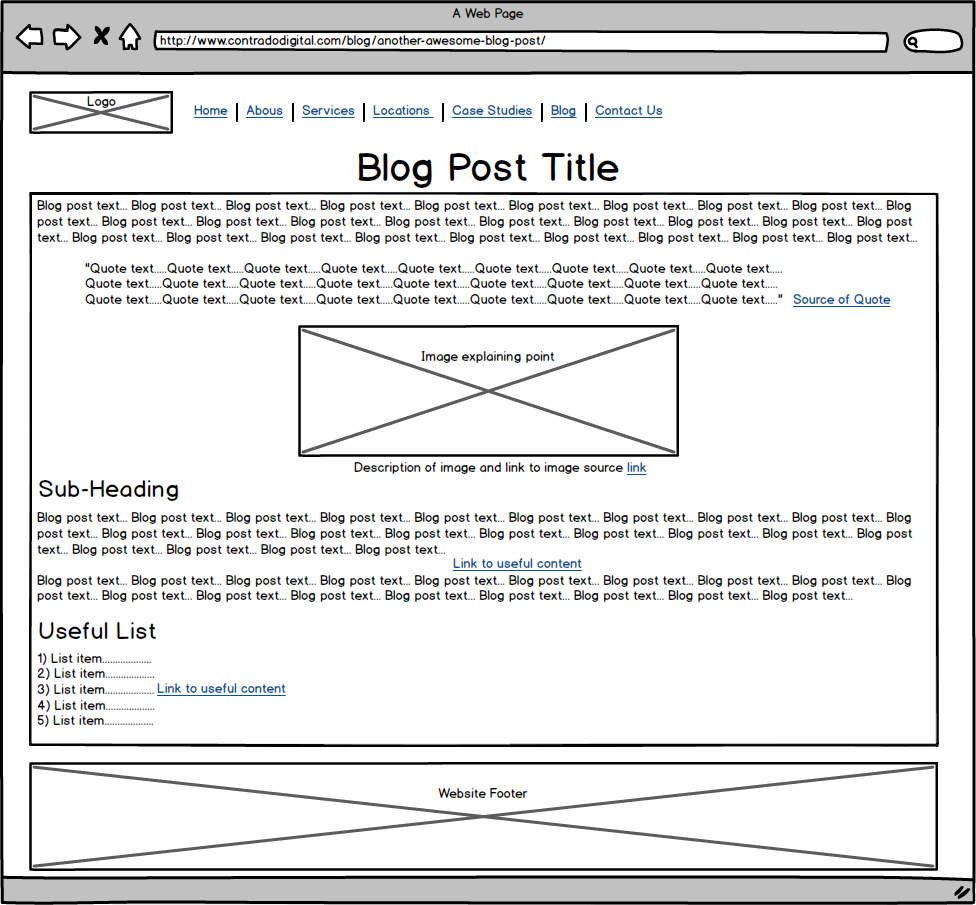
Step 4: Write Engaging and Informative Body Content
The body of your post is where you'll provide the majority of your content. Use this space to educate, inform, or entertain your readers, depending on your objective. Break up your text into paragraphs, aiming for around 3-5 sentences per paragraph. Use a conversational tone and avoid jargon or overly technical language. Make sure to provide examples, anecdotes, or case studies to illustrate your points and make your content more relatable. Use transitions to connect your ideas and create a flow between paragraphs. Don't forget to optimize your content with relevant keywords, but use them naturally and sparingly to avoid keyword stuffing.
Step 5: Conclude Your Post with a Strong Call-to-Action
Once you've covered all your main points, it's time to conclude your post. Summarize your main takeaways and reiterate your key message. Use this opportunity to encourage engagement, such as asking readers to share their thoughts or opinions. End with a strong call-to-action, such as encouraging readers to sign up for your newsletter or follow you on social media. Make sure your call-to-action is relevant to your post and provides value to your readers. Use a friendly and approachable tone, and don't be afraid to show your personality. Remember to keep your conclusion concise and to the point, aiming for around 100-150 words.
Step 6: Edit and Refine Your Post for Clarity and Coherence
Before you hit publish, take the time to edit and refine your post. Review your content for clarity, coherence, and grammar. Check for spelling and punctuation errors, and make sure your formatting is consistent. Read your post out loud to ensure it sounds natural and engaging. Get feedback from others, whether it's a friend, family member, or fellow blogger. Use this feedback to make revisions and improve your post. Consider using tools like Grammarly or Hemingway Editor to help with the editing process.
Step 7: Optimize Your Post for Search Engines
Finally, it's time to optimize your post for search engines. Use relevant keywords throughout your content, but make sure to use them naturally and sparingly. Optimize your meta title, description, and keywords to ensure your post appears in search engine results. Use header tags (H1, H2, H3, etc.) to create a clear hierarchy of information. Internal and external linking can also help improve your post's visibility and credibility. Make sure to use descriptive and keyword-rich alt tags for your images, like this
Frequently Asked Questions:
Q: What is the ideal length of a blog post?
A: The ideal length of a blog post varies, but aim for around 500-1000 words.
Q: How often should I post to my blog?
A: The frequency of posting depends on your audience and goals, but aim for at least once a week.
Q: What is the best way to promote my blog post?
A: Use social media, email marketing, and collaborations with other bloggers to promote your post.
By following these steps and tips, you'll be well on your way to creating a well-structured blog post that will engage and retain your readers. Remember to keep your content informative, engaging, and visually appealing, and don't be afraid to experiment and try new things. Happy blogging.
If You're New To Blog Marketing Or Looking To Improve Your Blog Post
If you're new to blog marketing or looking to improve your blog post ...
How To Best Structure & Format A Blog Post

How to Best Structure & Format a Blog Post
How To Structure A Blog Post To Attract + Retain Readers
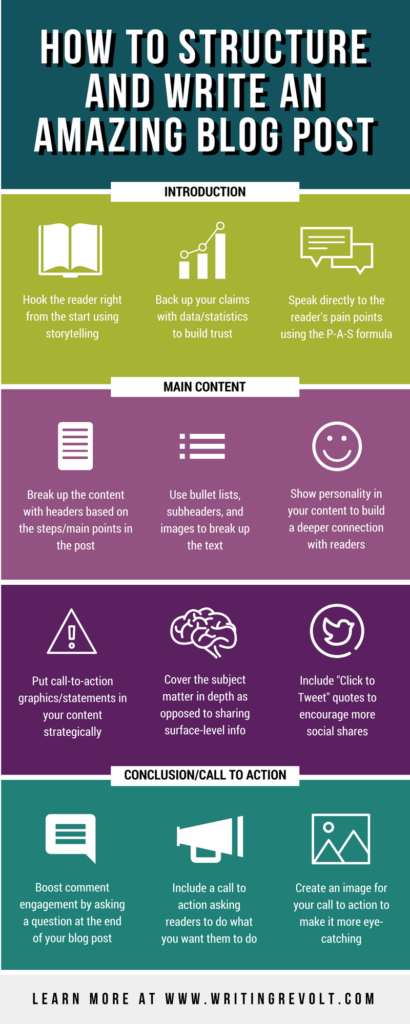
How to Structure a Blog Post to Attract + Retain Readers