Mastering AI SEO Tools: A Step-by-Step Guide to Boosting Your Online Presence
As a digital marketer, staying ahead of the curve in search engine optimization (SEO) is crucial for online success. With the increasing importance of artificial intelligence (AI) in SEO, it's essential to learn how to leverage AI tools to enhance your content and boost your rankings. In this tutorial, you'll learn how to use AI tools for SEO content, from keyword research to content optimization, and discover the best practices for implementing AI SEO tools in your workflow. By the end of this guide, you'll be equipped with the knowledge and skills to harness the power of AI to elevate your online presence and drive more traffic to your website.
Step 1: Choosing the Right AI SEO Tools for Your Needs
To get started with AI SEO tools, you need to select the most suitable tools for your specific requirements. With numerous options available, it's essential to evaluate the features, pricing, and user reviews of each tool to make an informed decision. For instance, you can use tools like Ahrefs, SEMrush, or Moz to conduct keyword research, analyze your competitors, and optimize your content. Consider the scale of your operations, the complexity of your SEO needs, and the level of support you require when choosing an AI SEO tool. 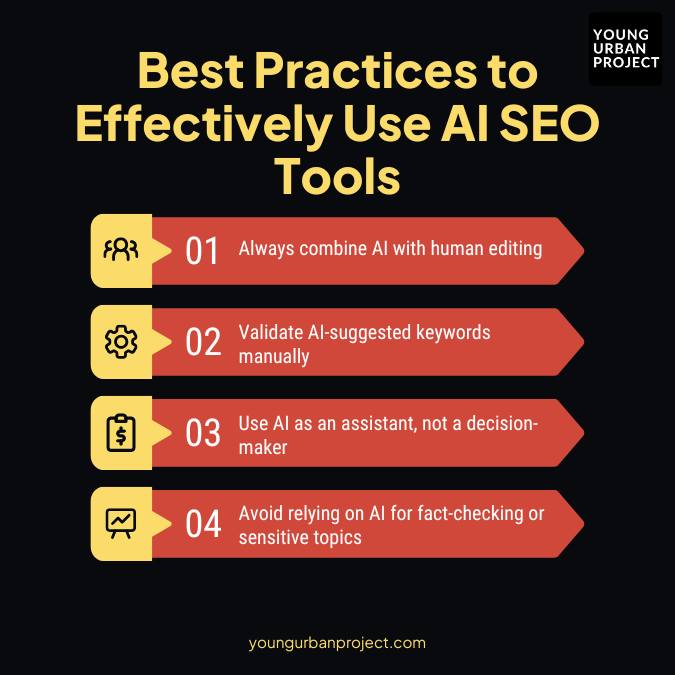
Step 2: Conducting Keyword Research with AI SEO Tools
Keyword research is a critical aspect of SEO, and AI tools can significantly streamline this process. Using AI-powered keyword research tools, you can identify relevant keywords, analyze their search volume, and determine their competition level. For example, you can use tools like Google Keyword Planner, Ahrefs Keyword Explorer, or SEMrush Keyword Magic Tool to find the best keywords for your content. When conducting keyword research with AI SEO tools, remember to focus on long-tail keywords, which are more specific and less competitive, and to prioritize keywords with high search intent. 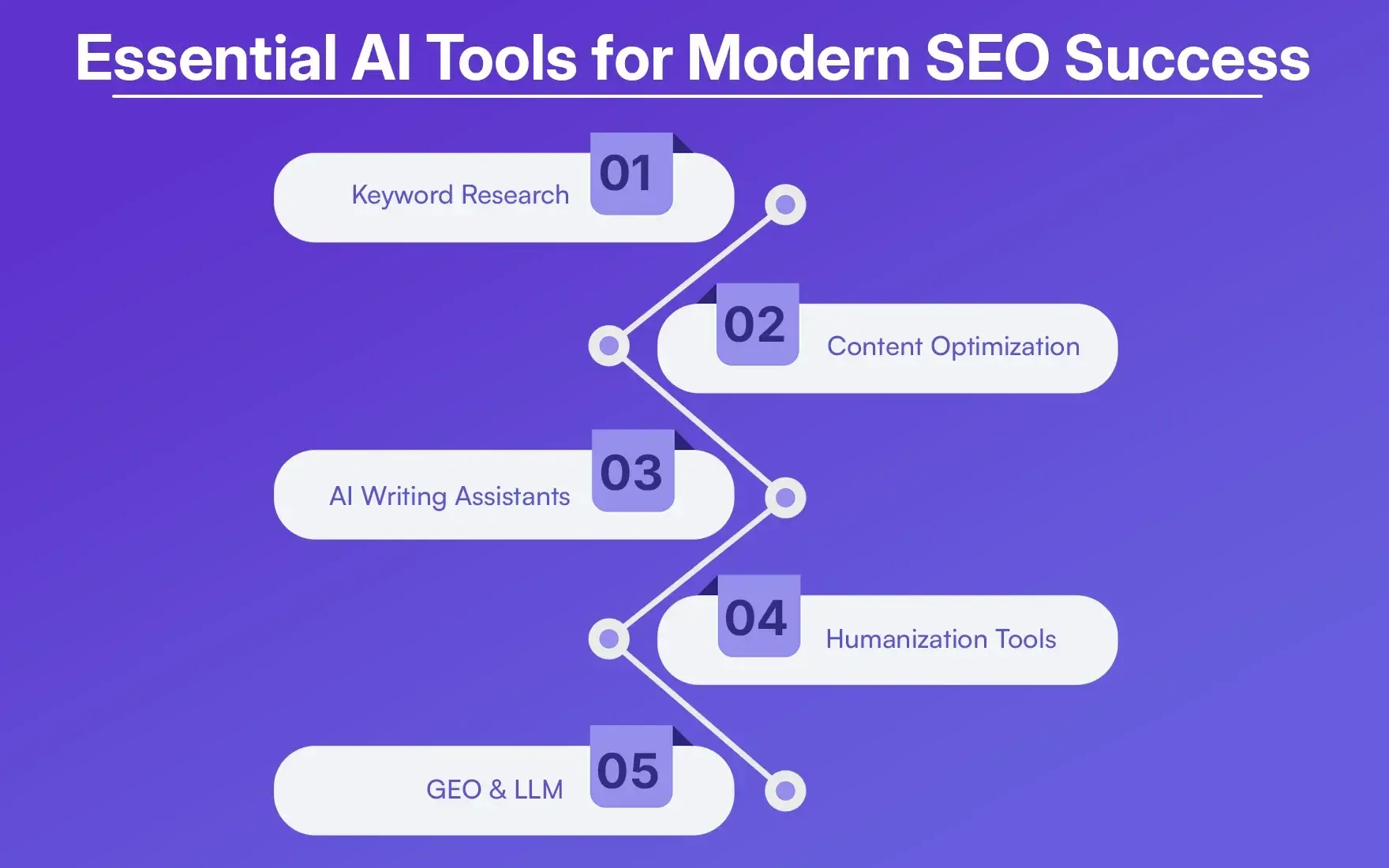
Step 3: Optimizing Your Content with AI-Powered SEO Tools
Once you've identified the right keywords, it's time to optimize your content using AI-powered SEO tools. These tools can analyze your content, provide suggestions for improvement, and even help you create high-quality, engaging content. For instance, you can use tools like WordLift, Content Blossom, or Acrolinx to optimize your content's structure, syntax, and semantics. When optimizing your content with AI SEO tools, focus on creating content that resonates with your target audience, and use AI-generated suggestions to enhance your content's readability, coherence, and overall quality.
Step 4: Analyzing and Refining Your SEO Strategy with AI Tools
After optimizing your content, it's essential to analyze and refine your SEO strategy using AI tools. These tools can help you track your website's performance, identify areas for improvement, and provide insights into your competitors' strategies. For example, you can use tools like Google Analytics, Ahrefs, or SEMrush to monitor your website's traffic, engagement, and conversion rates. When analyzing and refining your SEO strategy with AI tools, focus on identifying trends, patterns, and correlations that can inform your future SEO decisions, and use AI-generated recommendations to adjust your strategy and improve your results.
Step 5: Scaling Your SEO Efforts with AI-Powered Automation
As your SEO efforts grow, it's crucial to scale your operations using AI-powered automation tools. These tools can help you streamline repetitive tasks, such as keyword research, content optimization, and link building, and free up more time for strategic decision-making. For instance, you can use tools like Zapier, IFTTT, or Automator to automate tasks, workflows, and processes, and integrate your AI SEO tools with other marketing tools and platforms. When scaling your SEO efforts with AI-powered automation, focus on creating efficient workflows, minimizing manual errors, and maximizing your ROI.
Step 6: Staying Up-to-Date with the Latest AI SEO Trends and Best Practices
Finally, it's essential to stay up-to-date with the latest AI SEO trends and best practices to ensure your SEO strategy remains effective and competitive. Follow industry leaders, attend webinars and conferences, and participate in online forums to stay informed about the latest developments in AI SEO. For example, you can follow blogs like Search Engine Journal, Moz, or Ahrefs to stay current with the latest AI SEO trends, and attend conferences like SMX or Pubcon to learn from industry experts. When staying up-to-date with the latest AI SEO trends and best practices, focus on applying your knowledge to real-world scenarios, experimenting with new tools and techniques, and continuously refining your SEO strategy to achieve better results.
Frequently Asked Questions (FAQs)
Q: What are the benefits of using AI SEO tools? A: AI SEO tools can help you streamline your SEO workflow, improve your content's quality and relevance, and increase your online visibility and rankings. Q: How do I choose the right AI SEO tool for my needs? A: Evaluate the features, pricing, and user reviews of each tool to make an informed decision, and consider the scale of your operations, the complexity of your SEO needs, and the level of support you require. Q: Can AI SEO tools replace human SEO experts? A: No, AI SEO tools are designed to augment and support human SEO experts, not replace them. While AI tools can provide valuable insights and suggestions, human expertise and judgment are still essential for creating effective SEO strategies.
How To Use AI For SEO: Improve Your Marketing Strategy In 2023
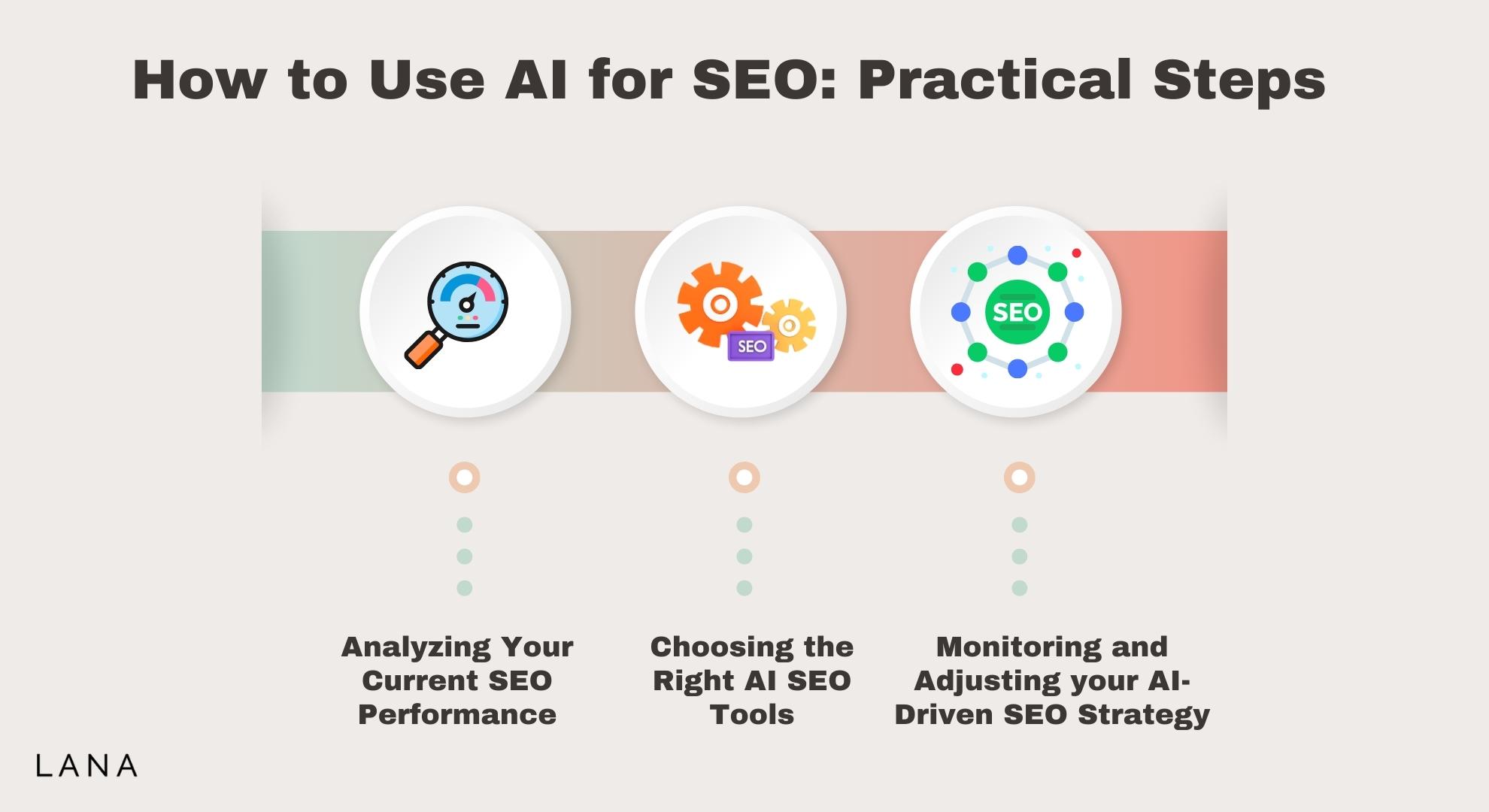
How to Use AI for SEO: Improve Your Marketing Strategy in 2023
Best AI Tools For SEO: Real Use Cases For Content Creation, Keyword

Best AI Tools for SEO: Real Use Cases for Content Creation, Keyword ...
How To Use AI For SEO? (9 Innovative Ways To Try)
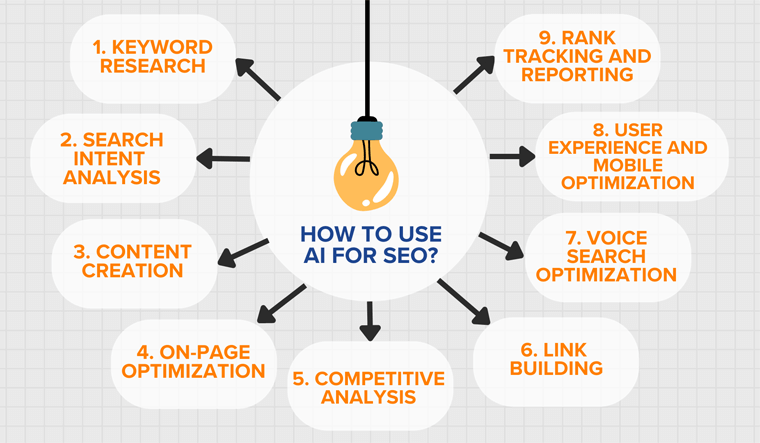
How to Use AI for SEO? (9 Innovative Ways to Try)